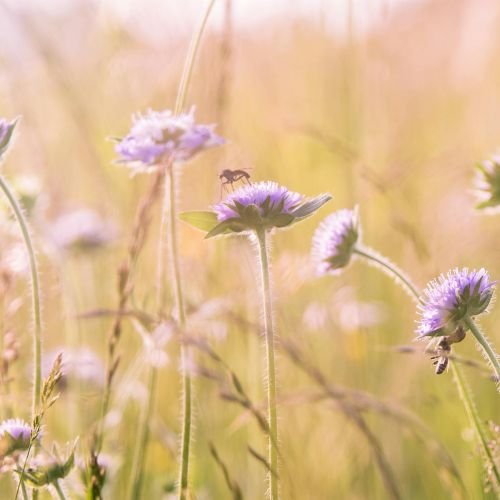
The Sweet Truth: Sourcing Authentic Local Honey in North Texas
Stop buying generic supermarket honey. Discover the hidden treasure of North Texas raw honey, understand the science of processing, and learn why supporting local beekeepers like Crooked Creek Honey Farm is essential for your health and community.
March 11, 2026 •
14 min read
Step into any big-box grocery store in North Texas, and you’ll find the honey aisle filled with rows of identical plastic jars—all boasting the same uniform golden glow. To most shoppers, it looks like a safe bet: consistent sweetness, familiar brand names, and easy availability. But here’s the catch—what’s on those shelves is often a diluted shadow of what honey should be. Behind glossy labels lies a compromise: bleached flavor, stripped nutrients, and a disconnect from the rich floral tapestry that defines North Texas.
True, unprocessed raw honey—nectar pressed straight from local blooms by bees—is a rare gem these days, almost disappeared from mainstream chains. You won’t find it amidst supermarket shelf clutter; instead, it thrives in the vibrant atmosphere of farmers markets and local farm shops. It’s here, in places like **Crooked Creek Honey Farm**, that you discover what genuine honey tastes like—complex, alive, and packed with the health benefits industrial honey simply can’t match. Choosing local honey isn’t just about sweetness; it’s a decision that impacts your health, supports community businesses, and preserves the delicate ecosystems of North Texas.
---
## The Illusion of the Supermarket: Authentic Raw Honey vs. Commercial Sludge
So, why is genuine North Texas honey almost invisible in chain stores? The answer lies in the divide between raw honey and the mass-produced “honey” masquerading on supermarket shelves.
Raw honey is a living substance, harvested with care. Bees bring back nectar from native plants, which is then minimally processed—gently extracted, never heated beyond 95°F, and lightly filtered to preserve enzymes like **glucose oxidase** and **diastase**, as well as pollen and other micronutrients. When you taste true raw honey, you’re tasting the story of local wildflowers, climate, and the health of the bee colony itself.
Contrast this with commercial honey, subjected to high-heat pasteurization (over 160°F) to prevent crystallization and spoilage. High heat essentially sterilizes the honey, wiping out beneficial enzymes and much of its natural antimicrobial power. Add in ultra-filtration, which removes pollen and propolis—the very substances that give honey its nutritional and therapeutic richness—and what you end up with is essentially a bland, syrupy sweetener. It looks perfect on shelves: clear, uniform, and shelf-stable; but stripped of its soul.
Worse yet, many supermarket honeys conceal their true origin. Industrial suppliers blend honey from various continents, mixing cheap imports, dilutions with high-fructose corn syrup, and other additives—no local pollen, no traceability, no accountability. A jar claiming “Texas Honey” at Walmart? Don’t be surprised if it has never seen a Texas bloom.
This industrial model prizes consistency and cost-control over authenticity and quality. That’s why you won’t find **Crooked Creek Honey Farm** products stocked by national chains. Their uncompromising commitment to unheated, unadulterated honey doesn’t fit the supermarket’s one-size-fits-all formula.
---
## The North Texas Gold: Floral Diversity and Nutrient Richness
What makes North Texas honey truly special is the region's incredible floral diversity. Unlike factory-style apiaries pumping out monoculture honey, local bees forage across a mosaic of wildflowers: vibrant purple coneflowers, radiant black-eyed Susans, fragrant black locust blossoms, and dozens more. This ever-shifting **nectar flow calendar** crafts honey that’s a living diary of our land.
The taste, color, and antioxidant profile of honey depend heavily on this variety. A single jar of genuine **North Texas wildflower honey** encompasses dozens of nectar sources, tracing complex local geographies. Its high **pollen content** isn’t just a cosmetic feature; it’s a source of vitamins, minerals, flavonoids, and phenolic acids that bolster health. When you see rich amber honey with specks of pollen settled inside, you’re witnessing nature’s complex blend of nutrients—something commercial honey can’t replicate.
Pollen grains serve as a biological fingerprint; expert palynologists can often pinpoint the exact region a honey jar comes from just by examining its pollen. That’s the kind of **apiary traceability** you'll find with attentive producers like Crooked Creek. Each batch is tied to distinct local meadows and flowering cycles, a diversity that translates to higher antioxidant levels known to combat oxidative stress.
The North Texas climate, with hot summers and mild winters, extends this floral bounty across seasons. Spring honey might be lighter and floral; summer honey richer and denser; fall honey deep and complex. This seasonal variety disappears when industrial producers blend everything into a bland, indistinguishable syrup.
---
## The Science of Degradation: How Processing Kills Quality
Let’s talk science. If you love honey’s health perks, understanding processing is everything.
The biggest enemy of raw honey’s benefits? Heat. Pasteurization at high temperatures destroys crucial enzymes: **glucose oxidase**, which generates antimicrobial hydrogen peroxide, and **diastase**, a marker of freshness and an enzyme that breaks down starches. Without these, honey loses much of its natural disease-fighting power.
Then comes ultra-filtration, the process filtering honey to a sterile clarity by removing pollen, propolis, and wax particles. Propolis—a resin bees collect from trees—is loaded with antiviral and antibacterial compounds vital to honey’s therapeutic qualities. Strip away that natural residue, and you’re left with a syrup offering none of those immune benefits.
Contrast this with **cold extraction** methods used by farms like Crooked Creek Honey Farm. They keep temperatures below 95°F, preserving enzymes and antioxidants. The result? Honey that keeps its cloudy texture, contains pollen, and naturally crystallizes over time—a sign of freshness, not spoilage.
The difference isn’t cosmetic; it’s health-defining. When you bring ultra-processed honey home, you pick up a much less potent sweetener—one that only satisfies sweetness cravings but doesn’t contribute to your wellness.
---
## The Truth Behind the Label: How Commercial Honey Fails on Purity
“Pure” honey at the grocery store may not be as pure as you think.
Honey laundering—blending imported honey with price-breaking syrups and relabeling it as a premium or local product—is a hidden epidemic. Many jars labeled “Texas Honey” in big stores contain little to no honey from Texas. Cheaper blends come from countries with lax regulations and may contain contaminants like heavy metals or antibiotics.
Vague language like “natural” or “local” often hides this truth. Some products label “local” simply because the bottling plant is nearby, not the bees or blossoms. Unless the jar reveals the beekeeper’s name, the farm’s location, or offers **batch traceability**, trust is risky.
Adulterated honey not only shortchanges flavor and authenticity but can lack the diverse pollen that may aid in **pollen allergy relief** by gently inoculating your system against local allergens. Meanwhile, ultrapasteurized honey destroys the proteins thought to spark these benefits.
Choosing producers like **Crooked Creek Honey Farm** sidesteps these pitfalls. They are transparent about their source, proud of their traceability, and refuse to blend or dilute. When you buy their honey, you’re buying honesty bottled—nurturing local ecology and your health.
---
## Beyond Sweetness: The Ripple Effect of Buying Local
Choosing local honey isn’t just a culinary choice—it’s a community and environmental act.
Small beekeepers like Crooked Creek inject vital revenue into North Texas’s local economy. Their businesses sustain family farms, preserve jobs, and fend off industrial-scale agribusiness that sacrifices quality for quantity.
Environmentally, supporting local producers means championing **sustainable beekeeping** practices. These beekeepers nurture biodiverse forage, preserve wildflower habitats, and protect bees’ health. Every jar you buy financially backs pollinator conservation, a crucial bulwark against the growing threats bees face nationwide.
Plus, buying local lowers your carbon footprint. Commercial honey can cross continents, adding transport emissions and refrigeration energy. Local honey skips all that travel, arriving at your table with a microscopic environmental footprint.
Farmers markets are more than shopping spots—they’re community hubs. When you buy there, you engage with the beekeeper directly: ask about their practices, see their passion, and form a relationship that transcends a simple transaction. That connection feeds in a network of shared environmental responsibility.
---
## The Gold Standard: Crooked Creek Honey Farm
Among North Texas producers, **Crooked Creek Honey Farm** shines bright as a standard-bearer of quality and integrity.
Located right here in our region, Crooked Creek embraces **cold extraction**, meticulous batch processing, and unwavering transparency. Unlike the industrial conglomerates that blend thousands of hives—erasing all nuance—they keep their honey true to its source, preserving natural enzymes, antioxidants, and distinct flavors from each harvest.
Their labels tell a story, sharing the science behind pollen content and explaining their extraction methods. They’re educators for the community, empowering consumers to demand better.
Crooked Creek’s honey reflects North Texas’s seasonal florals—light and floral in spring; deep and robust in summer. Their sustainable practices extend beyond honey, collaborating on pollinator conservation to safeguard bee populations for future generations.
In a market flooded with imitation syrups, Crooked Creek represents authenticity—a product that nourishes body and soul, a taste of home you won’t find in any supermarket aisle.
---
## Navigating the Farmers Market: Finding Authentic Honey in Your Neighborhood
Ready to break free from bland, mass-market honey? Your neighborhood farmers market is your doorway.
Spotting authentic raw honey at the market isn’t always easy, but a few insider tips help:
- **Look for Crystallization**: Raw honey naturally thickens and crystals form over time. If a jar remains clear and syrupy year-round, beware—likely heated or filtered.
- **Trust Your Senses**: Genuine honey smells floral, sometimes earthy or spicy, varying by nectar source. Industrial honey smells flat or syrupy. Taste it—true raw honey has complexity that lingers.
- **Ask Questions**: A genuine beekeeper loves their craft. Inquire about their **nectar flow calendar**, extraction methods (do they use **cold extraction**?), and if they offer **batch traceability**. Transparency is a mark of integrity.
- **Build a Connection**: Regular visits create ties. Follow your beekeeper on social media, subscribe to harvest updates, and foster relationships that guarantee you access to the best seasonal varietals.
Farmers markets are your map to authentic honey. Choose the vendor who invites curiosity and stands by their product.
---
## Pricing Real Local Honey: Understanding Its True Value
Yes, authentic local honey costs more. But understand what you’re really paying for.
Creating true raw honey demands time, expertise, and care. Beekeeping is hands-on — monitoring hives, managing pests sustainably, and harvesting by hand. Small farms lack mass production efficiencies, demanding higher investments per jar.
**Sustainable practices**, like fostering native forage and judicious pest control, raise costs but preserve bees’ health and product quality. Rigorous purity testing adds value, ensuring honey is free from contaminants.
When you pay a fair price, you’re valuing not just flavor and nutrition but ethical beekeeping and environmental responsibility.
Plus, that dollar circulates locally, sustaining families and reinforcing North Texas’s agricultural backbone.
Cheaper honey may tempt your wallet but consider the true cost—a mediocre product with a heavier ecological and social price tag.
---
## From Hive to Home: Transforming Your Pantry and Wellness
Authentic local honey does more than sweeten your tea; it elevates your health and culinary experience.
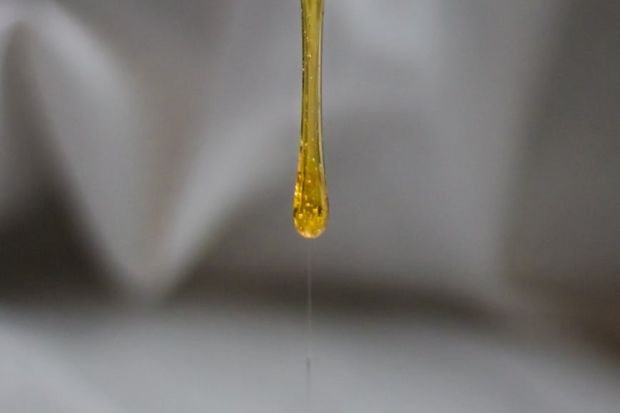
Compared to refined sugar, raw honey possesses a lower **glycemic impact** and contributes enzymes and antioxidants your body needs. Its microbial components, like hydrogen peroxide produced by **glucose oxidase**, confer potent **antimicrobial properties**—relieving sore throats, soothing coughs, and aiding minor wound healing.
Many users swear by local honey’s role in **pollen allergy relief**—its trace local pollens acting like a gentle immune primer against seasonal allergens common in North Texas.
In the kitchen, it transforms recipes—glazes, dressings, baked goods—adding depth and complexity. And in skincare, its antibacterial and moisturizing qualities make it a natural healer for dry or acne-prone skin.
A jar of raw local honey in your cupboard is a multifunctional powerhouse: food, medicine, and beauty aid—backed by the care and ecosystem of your own region.
---
## Avoiding the Pitfalls: Identifying Fake or Misbranded Honey Products
The surge in honey demand has drawn counterfeiters. Spotting fake or misbranded honey protects your health and wallet.
Watch for:
- Unnaturally uniform sweetness or perfectly clear syrup that never crystallizes
- Labels boasting vague terms like "blend," "extract," or just "Texas Honey" without origin details
- Prices suspiciously below market average
Genuine honey labels mention “raw,” “unfiltered,” cite the region or flowers, and include the beekeeper’s name. If they can’t provide **batch traceability** or details on processing, stay cautious.
Buying directly from growers—farmers markets, farm websites, or trusted local sources—bypass unscrupulous middlemen and guarantee transparency.
---
## Connecting to the Ecosystem: Local Honey and the North Texas Landscape
Every local honey jar encapsulates the rhythms of North Texas nature.
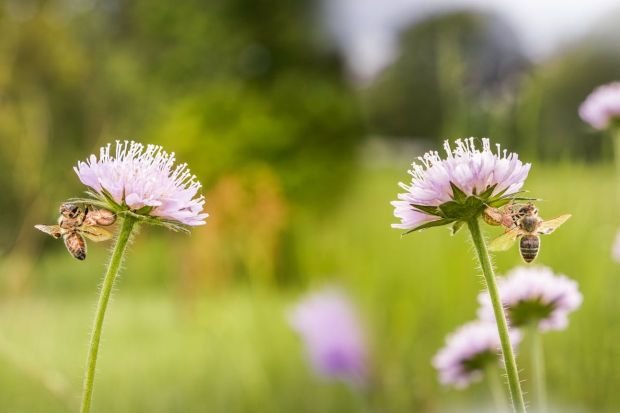
The honey chronicles the **nectar flow calendar**, varying with seasons and landscapes. Spring yields lighter, floral honeys; summer’s honey is richer, while fall brings deeper, earthier notes. Urban bees forage ornamental gardens, crafting one signature, while rural bees tap into native prairies and forests, producing another.
By tasting local honey, consumers become connected to land’s cycles, raising awareness of bees’ vital role and their conservation needs. It sparks conversations on **pollinator advocacy**, habitat loss, and pesticide danger.
Buying local honey is more than consumption—it’s stewardship, a tactile way to engage with and protect North Texas’s natural heritage.
---
## Making the Switch: A Step-by-Step Guide to Buying Authentic Honey Locally
Ready to embrace real honey?
1. Explore your nearby **farmers markets** and regional farm websites like Crooked Creek’s. Look for “raw,” “unfiltered,” “local” labels.
2. Build trust—returning customers are appreciated. Ask to visit apiaries and learn about practices. Consider subscriptions.
3. Favor producers offering **batch traceability** and clear info on floral sources and harvest dates.
4. Verify authenticity—look for crystallization, ask about extraction methods, and watch out for vague labeling.
5. Share your discoveries—help neighbors find true honey and build community support.
---
## The Emotional and Community Benefit: Choosing Local Honey
Choosing local honey connects you emotionally to place and people.
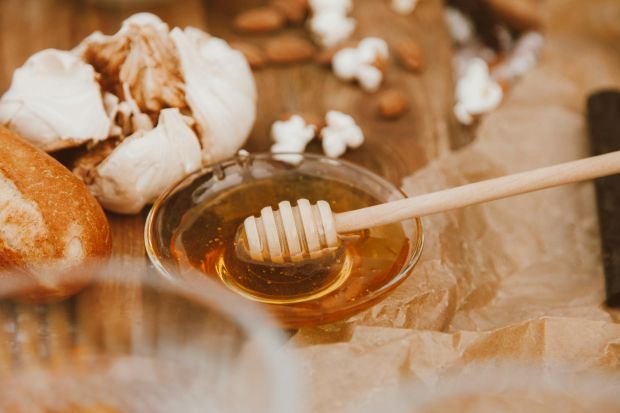
North Texas families who’ve made the switch often speak of the joy in savoring flavors from their own backyard, the peace in knowing exactly where their food came from, and pride in supporting neighbors who care deeply about their craft.
Local honey embodies sustainability and self-reliance—a return to a community tied together by seasons, stewardship, and shared values. Each purchase sparks a positive ripple: neighbors appreciating local artisans, a stronger local economy, and deeper environmental commitment.
---
## Future Horizons: Supporting Sustainable Beekeeping in North Texas
The future of North Texas beekeeping depends on us.
Bees face mounting threats—climate change, habitat loss, toxins. Your choices matter. Plant native blooms, reduce pesticides, support pollinator groups, yes. But most critically: buy local, sustainably produced honey.
Every jar you purchase sends a clear signal: high standards matter. Demand encourages more farmers to adopt best practices that protect bees and ecosystems.
By supporting farms like Crooked Creek Honey Farm, you invest in a future where bees thrive, local honey remains real, and communities flourish.
---
## Conclusion: Taste the Difference, Support Your Bees, Empower Your Community
Authentic North Texas honey is waiting to reward your palate and your principles.
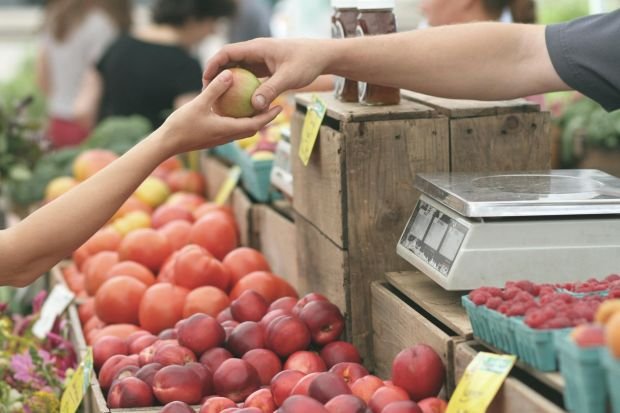
Next time you shop, turn away from generic supermarket blends and seek out **Crooked Creek Honey Farm** and other local artisans at farmers markets.
You’re choosing health—enzymes, antioxidants, and antimicrobial compounds preserved in raw honey. You’re choosing community—strengthening local economies and small farms. You’re choosing the environment—nurturing the pollinators that sustain us all.
Taste the distinction. Stand behind your bees. Empower your community.
Real honey isn’t just a sweetener—it’s North Texas’s hidden treasure waiting to be discovered, jar by precious jar. Choose real. Choose raw. Choose local.
Related Searches in nearby areas
- raw honey sellers Anna Texas
- East Texas honey producers
- where to buy raw honey in Aledo TX
- best farmers markets honey dallas tx
- buy local honey Denton County
- raw honey Bartonville Texas
- visit apiaries Tarrant County
- north texas honey for spring allergies
- natural allergy relief Texas
- Texas honey producers near Baird
- local honey delivery plane texas
- Texas wildflower honey Anderson County
- north texas wildflower honey sellers
- local beekeepers Arlington
- best north texas honey farmers markets
- Heavenly Harvest Apiary reviews
- Cedar Creek raw honey
- natural remedy for oak pollen
- oral immunotherapy honey
- Elgin Texas honey seller
- buy local honey Collin County
- honey farm Arlington TX
- local raw honey delivery Bryan TX
- where to buy raw honey in Alamo Heights TX
- Weatherford TX beekeepers
- where to buy local honey in Alvin TX
- Texas honey producers near Anna
- Anna TX beekeepers
- where to buy raw honey in Weatherford TX
- how to choose local honey for allergies
- how does local honey help allergies texas
- north texas wildflower honey benefits
- Bandera County beekeepers
- raw honey Alvin Texas
- who sells raw honey Baird TX
- where to buy Texas honey
- buy honey from farm Arlington
- local raw honey delivery Bartonville TX
- where to buy local honey
- oral immunotherapy honey benefits
- raw honey Bastrop County
- honey for cedar fever relief
- local raw honey delivery Fort Worth TX
- cedar fever relief natural remedies
- local apiaries selling honey collin county
- local beekeepers Bastrop Texas
- best honey for ragweed allergy
- local honey vs antihistamines
- where to buy raw honey in Anna TX
- local honey Bandera Texas
- Gopher Knoll Farm honey
Trending Searches in nearby areas
- unfiltered honey Weatherford
- authentic raw honey Anderson County
- wood valley bees adkins
- unfiltered honey Bandera
- unprocessed honey Anna TX
- natural allergy relief honey Texas
- Alvin TX honey farms
- farmers markets near melissa texas
- support local beekeepers Anderson County
- East Texas local honey delivery
- Dovetail Creek honey Bartonville
- north texas wildflower honey seasonal harvesting
- praised bee adkins tx
- unfiltered honey Bexar County
- ordering honey online Blue Ridge TX
- warne bee farms cold extraction method
- local honey trends in collinsville texas
- Coplin Bee Farms Alvin
- honey for cedar pollen sensitivity
- north texas native wildflowers bloom times
- honey processing regulations texas 2024
- local honey trends anna texas
- Callahan County honey
- farm to jar honey Texas
- certified Real Texas Honey
- allergy relief local honey
- sustainable beekeeping Bryan
- natural allergy remedies for Houston
- melissa tx local honey festivals
- Weatherford local bee farms
- honey extraction Anna
- farm-to-table honey fort worth tx
- family owned bee farms Texas
Top Recommendations in nearby areas
- micro-dosing pollen for allergies
- Texas Hill Country honey for allergies
- safety of honey for adults
- family run apiary Gainesville
- north texas local honey for digestion
- honey tasting Anna TX
- Texas ragweed allergy remedies
- cold pressed honey Fort Worth
- honey comb Alamo Heights
- raw honey delivery Arlington
- Parker County honey producers
- wildflower honey flavors Bartonville
- how to use local honey for allergies
- immune system support with local honey texas
- sustainable honey Baird
- cold-pressed honey delivery
- best local honey family apiaries Texas
- best honey shops Arlington
- natural sweetener Bandera
- anti-inflammatory honey benefits texas
- artisan honey Baird
- anti-inflammatory compounds in honey
- Gopher Knoll Farm honey
- start honey routine for allergies
- allergies local honey
- fresh wildflower honey Aledo
- North Texas honey directory
- best raw honey in Anna
- honey for allergy relief Texas
- homemade honey Bastrop
- honey harvesters near Anna
- buy Texas honey online
- benefits of raw honey for allergies texas