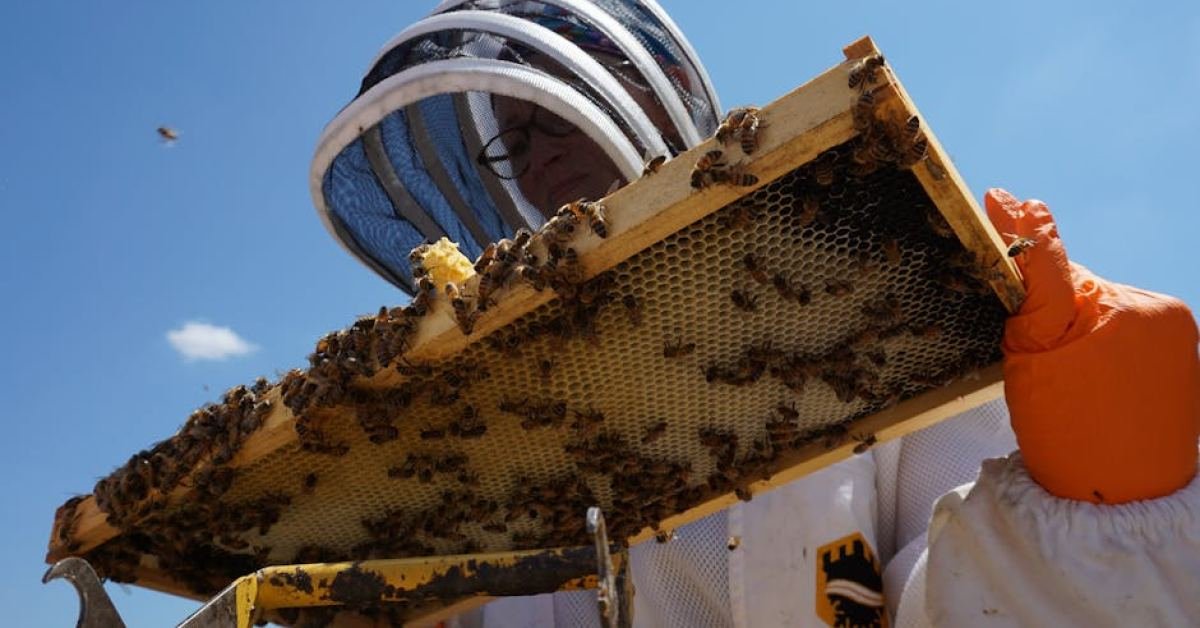
How to Use Honey as a Natural Remedy for Texas Allergies
Texas allergy season hits hard with cedar, oak, and ragweed pollen. Learn how to use raw, local honey as a natural remedy to build immunity and find the best sources in the state.
July 10, 2025 •
10 min read
# How to Use Honey as a Natural Remedy for Texas Allergies
Every Texan knows the drill. Cedar pollen spikes in January, and suddenly half of Austin is squinting through watery eyes clutching tissues. Or in late September, ragweed takes over Dallas, and no antihistamine in the medicine cabinet seems to help.
For many, the answer isn’t a pill. It’s a jar—raw, local honey.
The concept is straightforward: consume small amounts of honey made by bees foraging on the very plants that trigger your allergies. Over time, your immune system builds a natural tolerance. Think of it as DIY immunotherapy, without needles or copays.
But does it really work? And if yes, how can you do it right? This article lays out the science, practical steps, common pitfalls, and where to find authentic Texan honey.
## Why Texas Allergy Season Hits Harder Than Most States
Texas doesn’t just have one allergy season—it has several. These seasons overlap, creating nearly year-round misery.
**Cedar fever** starts in December and lingers through February in Central Texas and the Hill Country. Mountain cedar (Ashe juniper) unleashes pollen clouds so dense you can see them drifting over hills. That yellow haze near Fredericksburg? Not wildfire ash—it’s cedar pollen.
Spring brings **oak pollen** from March to May, dusting cars in a greenish-yellow film. Summer heats up with **grass pollen,** especially Bermuda and Timothy grass. Then fall rolls in with **ragweed** from August to November.
In total, about eight months of overlapping pollen exposure. For comparison, most northern states get 3-4 months. This prolonged exposure means Texas allergy sufferers face a near-constant assault.
Urban heat island effects in Houston, San Antonio, and Dallas only make matters worse, pushing flowering seasons beyond their natural end. Concrete traps heat, keeping trees active later into spring. So those oak pollen blooms stretch well into May along the city’s hotter pockets.
Add wind patterns to the mix. A strong north wind can carry pollen hundreds of miles—from the Panhandle across to the Gulf Coast by afternoon. You could be breathing in oak pollen from Oklahoma while strolling a Houston park, completely unaware until your eyes start itching.
Urban sprawl intensifies the issue by creating microclimates that extend pollen seasons. This means city dwellers endure longer and heavier exposures than rural residents.
## The Science Behind Honey and Allergy Relief
Honey as an allergy remedy relies on **oral immunotherapy**—the same principle behind allergy shots.
When bees collect nectar, they also pick up pollen from local plants. Some pollen ends up in the honey. Eating raw, unfiltered honey from your region means ingesting tiny amounts of the pollens your immune system reacts to.
Repeated exposure can teach your immune system these pollens aren’t threats. This reduces histamine responses—the sneezing, itching, and congestion.
Clinical evidence is mixed. A 2011 *Annals of Saudi Medicine* study showed high doses of local honey improved allergy symptoms more than placebo. But a 2002 study in *Annals of Allergy, Asthma & Immunology* found no difference between local honey, commercial honey, or placebo.
Why the discrepancy? Variables matter: honey type, dosage, treatment length, and specific allergens differ across studies.
What’s clear is that risk is close to zero for adults, the cost is low, and thousands of Texans swear by it. Think of it as gentle immune training. But you need patience and consistency. A spoonful of honey on the first sneeze won’t fix months of immune overreaction overnight.
Some evidence also suggests the beneficial bacteria in raw honey may help regulate immune responses by supporting gut health. The gut-immune axis remains an active research field, but it’s an intriguing bonus.
## What Makes "Local" Honey Different From Store-Bought
Honey isn’t all the same—and that difference is critical if you want relief.
**Store-bought honey**—often ultra-filtered and heat-processed—is stripped of pollen. It’s just a sweetener. Some commercial honey blends pollen from multiple countries, shooting its local pollen content to zero.
**Local, raw honey** is unheated, minimally filtered, and made by bees foraging within roughly 50 miles of your home. This local origin matters—you want pollen from the same plants triggering your allergies.
Raw honey also contains enzymes, propolis, and prebiotics absent from pasteurized varietals. These support gut health, indirectly helping immune regulation.
In contrast, commercial processing removes beeswax, pollen, and microscopic details needed for allergy immunity. If your honey jar is perfectly clear, liquid, and smooth, it’s probably been heated or filtered heavily.
Look for honey with a little texture or crystallization—that’s a sign it’s genuine, raw, and unprocessed.
## How to Choose the Right Texas Honey for Allergy Support
Matching honey to your specific allergy triggers is essential.
**Spring wildflower honey** from the Hill Country, usually called "Texas Wildflower," is packed with oak and cedar pollen—perfect for Central Texas winter and early spring allergies. Ask beekeepers about mountain cedar or Ashe juniper harvests.
**Fall goldenrod honey** targets autumn allergies. Goldenrod is often wrongly blamed for ragweed symptoms but is a major local allergen itself, especially along the Gulf Coast and East Texas.
When buying, ask, “Where do your bees forage?” Vague answers mean keep looking. Some Austin and San Antonio beekeepers track hive locations and pollen sources precisely.
Texas’s vast geography means different floral sources offer targeted benefits. Panhandle honey from sagebrush and mesquite suits desert allergy sufferers; coastal honey reflects maritime plants ideal for salt marsh sensitivities.
Avoid generic “Texas Honey.” The closer the honey matches your allergen, the better your immune system adapts.
## The Daily Honey Routine: How Much, How Often, and When to Start
Consistency drives results.
**1-2 tablespoons daily** is ideal. Start at one tablespoon, then increase to two. Enough to expose your immune system without overloading it with sugar.
**Begin 2-3 months before allergy season peaks.** If you wait for symptoms, your immune system is already in crisis. Starting in late September for cedar fever or late June for spring pollen sets your body up to build defenses before the worst.
Mix honey into warm (not hot) tea, oatmeal, or yogurt. High heat destroys beneficial enzymes.
Timing doesn’t matter as much as daily habit. Many find mornings easiest; others prefer evenings to calm nighttime congestion. The key is making it part of your routine.
Think of honey like a daily vitamin. Skip it, and you miss the benefits.
## Pairing Honey with Other Natural Allergy Strategies
Honey works best alongside other tactics.
**Add local bee pollen supplements** for a stronger pollen dose. But be cautious; bee pollen is concentrated and can cause reactions in sensitive individuals.
**Eat anti-inflammatory foods** like turmeric, ginger, and omega-3 fatty acids. Lower inflammation means less severe symptoms.
**Use nasal rinses and air purifiers** to reduce incoming pollen. Flushing nasal passages and clean air during sleep give your immune system a break.
**Make lifestyle changes**: close windows during peak pollen, shower before bed, and wear masks while gardening or mowing. Less total pollen means your honey therapy is more effective.
By combining internal tolerance-building with external pollen reduction, you create a stronger defense than either alone.
## Common Mistakes People Make When Using Honey for Allergies
Avoid these traps:
**Buying the wrong honey.** Imported, blended, or ultra-filtered honey won’t contain helpful pollen. Always check for “local” and “raw.”
**Starting too late.** Beginning after symptoms appear is too late. Immune retraining takes time.
**Expecting quick fixes.** Immunotherapy isn’t instant. Many give up after two weeks with no improvement. It can take months.
**Replacing medical treatment with honey.** Severe allergies need proper care. Honey supports but doesn’t replace professional advice. If symptoms are debilitating, see a doctor.
Treat honey as a lifestyle change—not a magic bullet.
## Who Should Avoid Using Honey for Allergy Relief
Honey is generally safe but not for everyone.
**Infants under 12 months** risk botulism from honey spores. Never give honey to babies.
**Those allergic to bee products** should be cautious. Consult an allergist if you have severe reactions to bee venom or honey proteins.
**Diabetics** must monitor sugar intake, treating honey like any carb source.
**Anyone with severe symptoms or compromised immunity** should speak to a doctor before trying raw honey therapy. Immune issues or chemotherapy may increase risks.
## Real Experiences From Texans Who Tried the Honey Method
Feedback varies, but success stories are compelling.
A long-time cedar fever sufferer from Waco started raw honey in December. By February, nasal congestion was half as bad. After three years, he regained clear thinking and uninterrupted sleep.
Others saw no benefit—often because they bought generic honey or started too late.
Consistency and patience are universal themes. It’s not an instant cure; it’s immune retraining.
A Hill Country beekeeper shared how a customer switched from multivitamins to local honey, reducing antihistamine use while managing symptoms effectively.
These stories show that the right honey, proper timing, and realistic expectations make a difference.
## Where to Find Legitimate Local Honey in Texas
Finding authentic honey requires effort.
**Farmers markets and apiaries** in Austin, San Antonio, and Dallas often sell raw honey direct from local hives. Talk to the beekeeper, see the source.
**Online directories** like the Texas Beekeepers Association’s list connect buyers to certified local producers.
Always ask:
- Where do your bees forage?
- Is the honey raw and unpasteurized?
If the seller can’t answer, walk away.
Beware of clear, perfectly liquid honey, multi-country labels, or suspiciously cheap jars. Real raw honey costs more and takes time to produce.
Visit roadside stands in the Panhandle or winter markets in the Hill Country for the best picks.
## FAQ
### Does local honey actually help with allergies?
Clinical evidence is mixed, but thousands of Texans report real benefits. The theory behind oral immunotherapy is solid. While not guaranteed, local honey is a low-risk, natural option that many find effective.
### How long does it take for honey to help with allergies?
Most notice benefits after 4-8 weeks, but full effects can take months to a year. Immune system reprogramming isn't overnight.
### Can I use honey if I’m already taking allergy medication?
Yes. Honey complements medication and doesn’t interfere with antihistamines. Consult your doctor before adjusting your meds.
### What type of honey works best for Texas cedar allergies?
Look for “Cedar Honey” or “Mountain Cedar Honey” from Central Texas beekeepers. Starting your regimen in late December or January aligns with peak cedar pollen season.
## Conclusion
Using honey to manage Texas allergies is low-cost, low-risk, and holds real potential.
The critical factor is sourcing raw, local honey from your region. Generic honey lacks the pollen needed for immune training.
Starting early, staying consistent, and combining honey with physical and dietary strategies gives you the best shot at a clearer, easier allergy season.
Skip big-box honey. Find local beekeepers, ask tough questions, and taste the difference. The effort might buy you a season of clearer breathing and fewer tears.
Related Searches in TX
- crooked creek honey farm anna tx
- oral immunotherapy honey mechanism
- local beekeepers Anna
- Maxwell Family Bees honey
- how to choose local honey for allergies
- buy local honey Palestine
- where to buy local honey in Canton TX
- best apiaries Palestine Texas
- who sells raw honey Anna TX
- local honey Bandera Texas
- north texas wildflower honey benefits
- local beekeepers Baird
- cedar fever relief natural remedies
- buy raw honey near dallas fort worth tx
- where to buy local honey in Blue Ridge TX
- honey farms near Arlington Texas
- raw honey Bryan Texas
- best honey for ragweed allergies
- how does local honey help allergies texas
- local honey producers Arlington
- north texas raw honey for allergies
- local raw honey delivery Fort Worth TX
- where to buy raw honey in Bartonville TX
- real Texas honey Aledo
- natural remedy for oak pollen
- honey farms near Anna Texas
- how to use honey for pollen allergies
- Gopher Knoll Farm honey
- crooked creek honey farm melissa texas
- Texas wildflower honey Anderson County
- local raw honey delivery Alamo Heights TX
- what makes melissa farmers market honey special
- north texas honey for spring allergies
- where to buy Texas honey
- local raw honey delivery Bartonville TX
- best local honey Austin
- where to buy raw honey in north texas
- Alamo Heights TX beekeepers
- local beekeepers Bastrop Texas
- East Texas honey producers
- where to buy raw honey Anderson County TX
- raw honey Anna Texas
- Edelweiss Apiary honey
- McDade Texas honey farm
- local raw honey delivery Weatherford TX
- raw unfiltered honey Blue Ridge Texas
- local raw Texas honey for allergies
- best apiaries selling raw honey Gainesville TX
- buy raw honey North Texas
- buy raw honey direct Anna TX
- raw honey from North Texas
Trending Searches in TX
- glucose oxidase enzymes in honey
- Cross Timbers Honey contact
- honey farmers markets waco tx
- allergy relief natural remedies Texas
- East Texas local honey delivery
- honey extraction Anna
- best antihistamines for cedar fever
- certified Real Texas Honey
- buy local honey Baird
- Warne Bee Farm Anna honey
- small batch honey Gainesville
- Dovetail Creek honey Bartonville
- buy local honey Tarrant County
- natural allergy relief Texas diet
- support local beekeepers Texas
- Texas seasonal allergy pollen profiles
- best honey for Cedar Fever relief
- unfiltered honey Texas
- honey processing regulations texas 2024
- genuine local honey Texas
- north texas allergy relief honey
- support local Weatherford businesses
- sustainable beekeeping Bryan
- local honey for allergies Alvin
- local honey Cooke County
- authentic Anna Texas honey suppliers
- Texas wildflower honey
- honey desensitization protocol
- north texas wildflower honey seasonal harvesting
- seasonal honey harvest in north texas
- best farmers markets dallas tx honey
- artisan honey Central Texas
- Cornerstone Honey Bees Bryan
Top Recommendations in TX
- health benefits of raw honey from north texas
- Texas Hill Country honey sourcing
- north texas honey pollen preservation
- buy local honey adkins
- how to identify real honey denton county
- honey traceability best practices denton county
- north texas honey storage and freshness tips
- buy local honey Texas
- fresh honey Bandera
- Texas wildflower honey
- support local beekeepers Alvin
- wildflower honey flavors Bartonville
- gulf coast wildflower honey
- allergies local honey
- Gopher Knoll Farm honey
- honey producers North Texas
- best honey shops Arlington
- sustainable honey Baird
- best raw honey in Anna
- cold-pressed honey delivery
- anti-inflammatory compounds in honey
- North Texas honey directory
- wildflower honey Tarrant County
- Texas oak pollen allergy treatment
- incorporating honey into allergy diet
- Anderson County pine forest honey
- how to spot authentic honey in north texas
- JC's Honey Bees classes
- when to use honey for allergies
- family run apiary Gainesville
- antimicrobial properties of wildflower honey texas
- support local beekeepers Bryan
- honey for baking East Texas