What to Look For When Choosing North Texas Honey: 15 Key Questions for Buyers
With the Texas Cottage Food Law, North Texas farmers markets are flooded with honey. But how do you tell a professional apiary from a backyard hobbyist? We break down 15 practical questions to help you distinguish serious, compliant businesses from casual sellers, ensuring you support local transparency and quality.
March 27, 2026 •
13 min read
There’s something irresistible about that jar of raw honey sitting on your kitchen counter. In North Texas, it’s not just a sweetener — it’s a local treasure, whether drizzled over your morning yogurt, stirred into tea, or used as a secret ingredient in barbecue sauce. Recently, raw honey’s popularity has skyrocketed across the Dallas-Fort Worth area. People want the genuine, unfiltered stuff that carries the story of North Texas blooms, not the bland, mass-produced syrup from some giant warehouse.
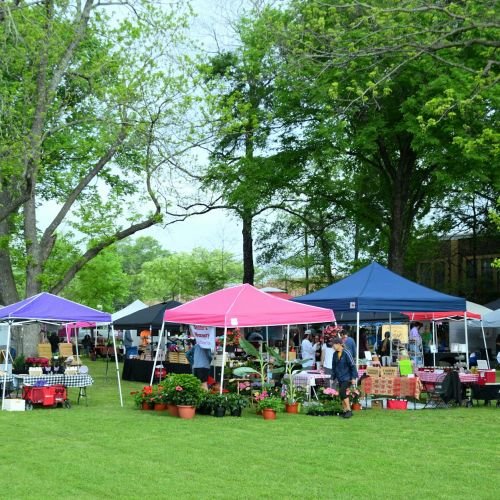
But here’s the twist: thanks to the Texas Cottage Food Law, starting a honey-selling venture has never been easier. That’s great news for local entrepreneurs, but it also means the market is now bursting with producers of all stripes — from fully established apiaries to backyard hobbyists selling a few jars here and there. This creates a challenge: how do you, the buyer, tell who’s running a professional honey business and who’s just dabbling?
Not all honey sellers are created equal. The best prioritize infrastructure, safety, transparency, and customer satisfaction. They’re not winging it—they treat beekeeping like a craft and a commitment. The casual seller might have tasty honey, sure. But their product consistency, availability, and overall reliability can be hit or miss.
That’s where asking smart questions comes in. With the right queries, you can confidently separate the dedicated North Texas honey businesses—like the reputable Crooked Creek Honey, known for transparency, solid online ordering, farm tours, and a consistent market presence—from those who aren’t quite there yet.
Ready to become a honey detective? Below are 15 straightforward questions to help you identify a serious, trustworthy North Texas apiary. Whether you shop farmers markets, order online, or buy gifts, these pointers will ensure you support local professionals committed to quality and community.
---
## The Honey Landscape in North Texas: Why Knowing Your Producer Matters
Before diving into the questions, it helps to understand the North Texas honey scene. From the mesquite and wildflowers dotting the Hill Country to urban apiaries nestled in Dallas suburbs, our region’s landscape supports a huge variety of honey profiles. This means you can indulge in everything from rich, floral wildflower honey to delicate monofloral varieties like buckwheat or blackberry.
With the regulations around cottage foods loosening, dozens of small outfits now sell honey, but not all operate like real businesses. Some keep just a handful of hives for fun and sell honey as a side hustle. Others run full-time operations with multiple colonies, extraction equipment, and a professional approach. When you buy from the former, there’s no guarantee the honey will be available consistently or meet higher quality standards. From the latter, you’re investing in a product backed by expertise, protocols, and genuine accountability.
Supporting a full-time apiary does more than bring sweetness to your table. These businesses contribute to local economies, steward pollinators, and provide stable jobs. They’re often deeply involved in community events and education. Most importantly, they handle everything—from on-site honey extraction to compliance with food safety regulations—making sure what you get is pure, fresh, and responsibly produced.
---
## 1. What Is Your Business Name and Where Is Your Apiary Located?
Knowing the producer’s name and exact location in North Texas is your first test of legitimacy. When a beekeeper openly shares their business identity and physical apiary address—maybe in Parker, Denton, or further north—you’re dealing with someone grounded in a defined agricultural operation.
If a seller is vague or dodges the question, it might mean they’re just a hobbyist selling from a backyard setup. Location matters because bees forage within a few miles, so where the apiary sits directly impacts the honey’s flavor and authenticity. Plus, a clear location means traceability—you’re not buying mystery honey from who knows where.
---
## 2. Do You Have a Website With Updated Product, Event, and Contact Information?
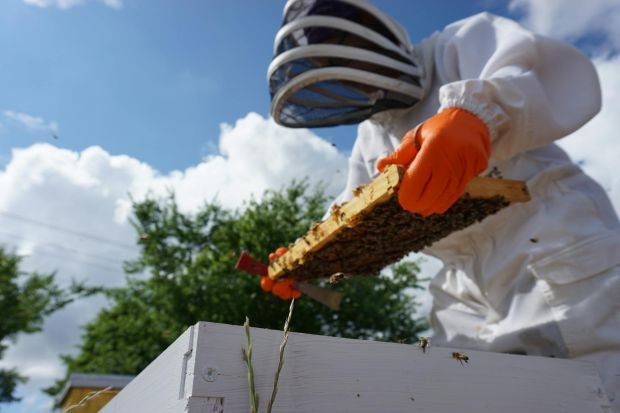
A reliable online presence is a hallmark of a serious honey business. A polished, frequently updated website shows a company that wants to keep customers informed and engaged year-round. You should find product details, upcoming farmers market appearances, contact info, and maybe even educational resources about their beekeeping practices.
If it’s just a Facebook page or a basic listing with no updates, you might be looking at a hobbyist more than a pro. Real businesses invest time and resources in clear communication, because they want customers to understand and trust their brand beyond a one-time purchase.
---
## 3. Can Customers Order Your Honey Products Online With Secure Payment Options?
This is about convenience and professionalism. Can you buy a jar of honey online without worrying about safety? Sellers offering secure online ordering (think encrypted payments via Stripe or PayPal) show they’ve built an infrastructure to handle orders, shipments, and customer service beyond in-person sales.
If the only option is cash and face-to-face markets, you might want to pause. While farmers markets are great, the ability to purchase online reflects a business that’s invested in accessibility and meeting customer expectations in a digital age.
---
## 4. Are You Registered Under Texas Cottage Food Law or Other Local Regulations?
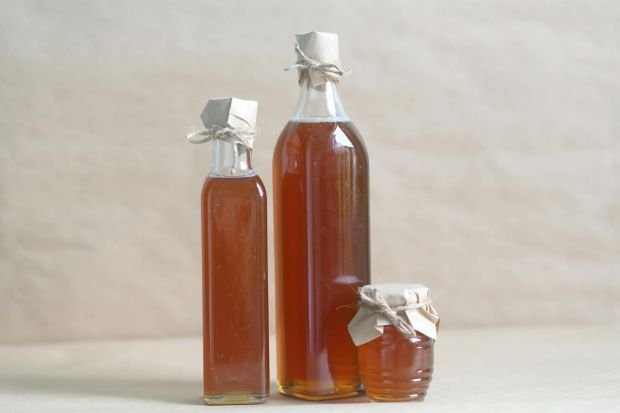
This question cuts right to the heart of compliance. Registration under the Texas Cottage Food Law means your producer has acknowledged state food safety standards and is working within legal frameworks that protect you as a consumer.
Vendors who shy away from this topic might be flying under the radar. While honey is low-risk, official registration shows they take their role seriously. It also means their products are labeled correctly and meet safety requirements—no guesswork necessary.
---
## 5. Do You Participate Regularly in North Texas Farmers Markets, Fairs, or Public Events?
Consistency counts. A serious honey business shows up regularly, whether at the Dallas Farmers Market, Fort Worth’s outdoor markets, or county fairs. This regular presence builds relationships and trust with customers and the community alike.
If a vendor sells only once or twice per year, it’s a sign you’re dealing with a hobbyist. Frequent public engagement reflects a business that carefully plans harvests, marketing, and distribution — all good signs for buyers wanting reliability.
---
## 6. Is Your Honey Harvested and Processed On-Site at Your North Texas Farm?
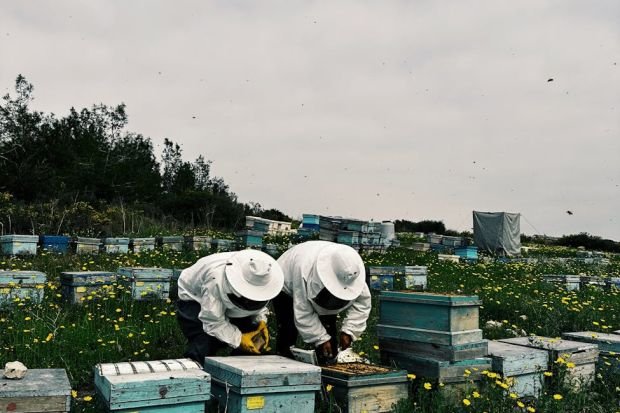
This question is about freshness and authenticity. When honey is extracted on-site, it’s minimally handled and less likely to be contaminated or adulterated. It’s often warm, unfiltered, and packed with natural enzymes—exactly what raw honey lovers crave.
Off-site processing can mean diluted honey, pasteurization, or mixing batches, undermining product quality. Small-scale hobbyists often don’t have the equipment to extract their honey on-site, so if a seller can’t confirm it, that’s a red flag.
---
## 7. Can You Provide Detailed Information About Your Honey Varieties and Their Floral Sources?
A knowledgeable beekeeper loves to talk about what their bees forage on—the wildflowers of Denton, sweet blackberry blooms near Keller, or vast buckwheat fields in Parker County. Genuine producers can describe the floral sources behind each honey variety, explaining how it shapes flavor profiles and color.
If a seller dismisses your curiosity with “It’s just honey,” they’re probably not fully engaged as a business. Transparency about floral sources tells you they track their bees closely and value educating customers about their products.
---
## 8. Do You Provide Clear Labeling on Your Honey Products Including Harvest Date and Batch Number?
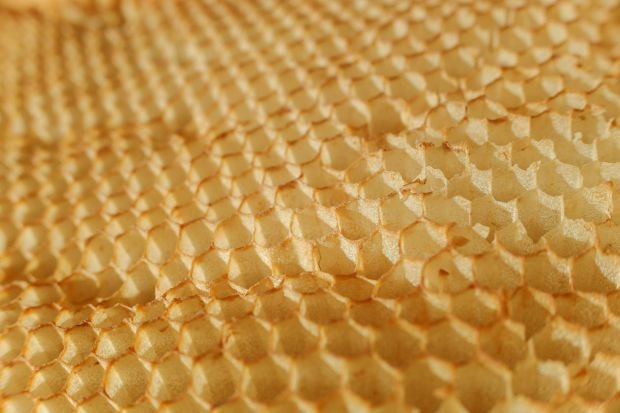
Look closely at the jar. Professional apiaries provide detailed labels showing the business name, location, net weight, and crucially, the harvest date and batch number. This isn’t just for show—it’s a system that ensures **raw honey traceability** and helps with quality control.
If something goes wrong, a batch number lets the producer track your jar back to the specific hive or extraction date. Hobbyists might scrawl a date on tape or skip this entirely, which doesn’t inspire confidence in safety and consistency.
---
## 9. Are You Willing to Give Farm or Apiary Tours to Interested Customers in North Texas?
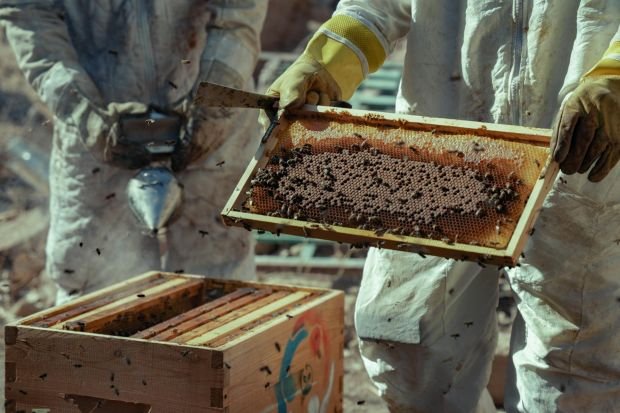
Openness breeds trust. A professional apiary invites visitors to peek behind the curtain—showing how bees are cared for, where extraction happens, and sharing stories about their work. They’re proud of their operation and want to build relationships in the community.
If a seller nervously declines or dodges visits, they might be hiding a less professional setup. Offering #apiarytours isn’t just marketing—it demonstrates transparency and real pride in beekeeping methods.
---
## 10. Do You Have a Customer Service Phone Number or Email and Reliable Response Times?
You want to know someone will be there if you have questions or problems. A business with dedicated customer service—responding promptly via phone or email—shows it cares about buyer experience and accountability.
Hobbyists can be harder to reach, often giving inconsistent or late replies. A prompt, professional response system means they’re prepared to handle issues efficiently and keep customers happy.
---
## 11. Do You Carry Product Liability Insurance or Business Insurance Coverage?
This one’s serious. Product liability insurance protects both you and the seller against unforeseen problems. It signals that the company stands firmly behind its products and is ready financially to address any issues.
Most hobbyists skip insurance—they don’t see it as necessary or affordable. But a professional apiary understands it's part of running a reliable food business and protecting its customers.
---
## 12. Do You Engage with Customers on Social Media With Regular Updates and Seasonal News?
Social media isn’t just about followers. For a real North Texas honey operation, it’s a platform for storytelling, education, and community building. Regular posts about hive health, upcoming harvests, or market events show an active and engaged business.
A dormant or rarely updated page means they might not be operating professionally. If they don’t share their story, how can you trust what you’re buying?
---
## 13. Are Testimonials or Reviews From Repeat North Texas Customers Available Online?
Nothing beats honest feedback. Look for verified reviews from local customers praising the flavor, texture, and service associated with the producer’s honey.
If a seller has no real testimonials, or only vague praise from friends and family, it’s harder to trust their claims. Established businesses actively collect and showcase reviews—they know they speak louder than any marketing spiel.
---
## 14. What Forms of Payment Do You Accept Besides Cash at Markets?
Convenience makes life easier. Serious businesses offer multiple payment options—credit/debit cards, mobile wallets, even online payments beyond just cash. This flexibility improves customer experience and shows investment in professional sales infrastructure.
If cash is the only option, that’s more classic hobbyist style. Not bad per se, but lacks the polish and accessibility of a grown-up operation.
---
## 15. Do You Offer Any Guarantees or Refund Policies If Customers Are Unhappy With Their Purchase?
Confidence in your product means standing behind it. Pros provide clear guarantees or refund policies to assure customers their satisfaction matters. This reduces risk for buyers and signals pride in quality.
Casual sellers often avoid refunds or return policies, leaving buyers hanging. A professional apiary knows winning repeat customers means handling complaints fairly and maintaining trust.
---
## Putting It All Together: Shop With Confidence Using These Questions
After asking these 15 questions, the picture should be clear. If the vendor confidently answers—with specifics about location, website, compliance, consistent market presence, detailed product info, and responsive service—you’re dealing with a bona fide North Texas honey business. Otherwise, proceed with curiosity and caution.
Using this checklist protects you from unpredictable sellers and supports local apiaries investing in quality, transparency, and sustainability. Your purchase isn’t just about honey—it’s a vote for the kind of food economy and environmental stewardship you want to see thrive around Dallas-Fort Worth.
---
## Spotlight on a Trusted Local Leader: Crooked Creek Honey
Among North Texas producers shining bright, **Crooked Creek Honey** stands out as a model of professionalism. They offer full apiary location traceability, openly share their story, and maintain a dynamic website packed with updated products and event news. Online ordering is simple and secure, and compliance with Texas Cottage Food Law ensures safety and quality.
Crooked Creek consistently participates in farmers markets, hosts apiary tours that educate and inspire, and is transparent with product labeling—including harvest dates and batch numbers for real traceability. Their active social media connects directly with a loyal regional following, and customer reviews regularly highlight their exceptional flavor and service.
Beyond that, they carry product liability insurance, accept multiple payment methods, and confidently guarantee customer satisfaction. In short, Crooked Creek Honey embodies everything you want in a professional North Texas apiary, making them a trusted source for your raw honey needs.
---
## Final Thoughts: Choose Transparency and Professionalism in North Texas Honey
North Texas’s honey scene is thriving, thanks to hardworking bees and dedicated keepers. But your role as a buyer matters just as much. By asking these 15 practical questions, you can cut through the noise and find apiaries committed to quality, safety, and community.
Supporting professional businesses means you get delicious, authentic honey while investing in local jobs, environmental health, and a vibrant regional food culture. Share this guide with friends and family who care about responsible purchasing.
Next time you come across that golden jar—whether at a farmers market or online—take a moment. Ask about the farm, the website, their insurance, their guarantee. Demand transparency. That’s how you ensure your honey comes from hands and hives you can trust. Enjoy the sweetness of North Texas honey, knowing it’s the real deal.
Related Searches in TX
- buy raw honey direct Baird TX
- raw honey Alvin Texas
- honey farm Anna TX
- local raw honey delivery Anna TX
- north texas raw honey buyer guide
- honey farm Arlington TX
- north texas pollen allergy treatment honey
- buy local honey Collin County
- local honey Bandera Texas
- Bryan TX beekeepers
- crooked creek honey farm melissa texas
- where to buy local honey in melissa texas
- local raw honey delivery Fort Worth TX
- north texas raw honey for allergies
- cedar fever treatment Texas
- commercial vs raw honey for pollen
- authentic local honey farms near dallas tx
- raw unfiltered honey Blue Ridge Texas
- local honey delivery plane texas
- where to buy raw honey Anderson County TX
- buy honey from farm Arlington
- visit apiaries Tarrant County
- Fort Worth TX beekeepers
- local raw honey delivery Weatherford TX
- raw honey Anna Texas
- buy raw honey direct Adkins TX
- raw honey for ragweed allergies
- Texas honey producers near Anna
- where to buy raw honey in Fort Worth TX
- Cross Timbers Honey Parker County
- local raw honey delivery Bartonville TX
- local beekeepers Bastrop Texas
- Alamo Heights TX beekeepers
- unfiltered honey Arlington
- Weatherford TX beekeepers
- authentic honey vendors waco tx
- raw honey Gainesville Texas
- buy raw honey direct Anna TX
- Warne Bee Farm Anna
- best north texas honey farmers markets
- where to buy local honey in Bryan TX
- local honey for Texas allergies
- how to find unprocessed honey in fort worth tx
- how to use honey for pollen allergies
- buy local honey Parker County
- best apiaries Palestine Texas
- natural allergy relief Texas
- oral immunotherapy with honey
- buy local honey Denton County
- Elgin Texas honey seller
- honey farms near Arlington Texas
Trending Searches in TX
- support local Weatherford businesses
- Anderson County farmers market honey
- local honey vs store bought honey
- buy fresh honey Anna TX
- warne bee farms cold extraction method
- honey harvesters Texas
- allergy relief honey Weatherford
- certified Real Texas Honey
- health benefits of raw honey dallas tx
- buy local honey Baird
- Alvin TX honey farms
- raw honey Collin County
- Crooked Creek Honey Farm Anna
- Pure Texas Honey Co
- local honey Cooke County
- texas allergy season 2024
- unfiltered honey Bexar County
- ordering honey online Blue Ridge TX
- unfiltered honey Fort Worth
- support local beekeepers
- farm-to-table honey fort worth tx
- 1201 Honey Cooke County
- best antihistamines for cedar fever
- north texas allergy relief honey
- north texas honey antioxidant research
- support local beekeepers Bartonville
- Texas wildflower honey
- Fort Worth honey shops
- support local beekeepers Arlington
- local honey for allergies Alvin
- Pete Glasser honey farm
- sourcing raw honey from Texas beekeepers
- honey extraction Anna
Top Recommendations in TX
- hybrid allergy management strategy
- Texas oak pollen allergy treatment
- unfiltered honey Palestine
- fresh honey Weatherford market
- Arlington honey producers
- fresh raw honey delivery
- raw honey delivery Arlington
- when to use honey for allergies
- anti-inflammatory compounds in honey
- fresh raw honey Anna TX
- infant botulism honey warning
- raw honey immune support north texas
- farm to jar honey experience
- genuine Texas honey shops
- honey tasting Anna TX
- Anderson County seasonal allergies honey
- fresh honey delivery Fort Worth
- how to use local honey for allergies
- local honey producers Bryan
- Hill Country honey for allergies
- effects of pasteurization on honey enzymes texas
- fresh honey harvest Gainesville
- natural honey allergy relief Texas
- north texas honey storage and freshness tips
- Texas allergy season honey remedy
- advantages of local honey farm tours fort worth
- north texas monofloral honey uses
- immune system support with local honey texas
- neighborhood honey producers adkins
- honey for allergy relief Texas
- honey for baking East Texas
- how to spot real north texas honey
- fresh honey Bandera