How to Choose Between Local Raw Texas Honey and Commercial Honey for Allergies
Texas allergy sufferers face unique challenges with overlapping pollen seasons. Learn the science behind oral immunotherapy, why local raw honey is superior for desensitization, and how to source the right honey for Cedar Fever and ragweed relief.
April 20, 2025 •
9 min read
# How to Choose Between Local Raw Texas Honey and Commercial Honey for Allergies
Every Texan knows the ritual: January’s cedar pollen surges, and suddenly half of Austin is battling watery eyes and grasping for tissues. Or late September arrives, ragweed swarms Dallas, and antihistamines barely make a dent. For many, the remedy isn’t on a drugstore shelf — it’s in a jar of raw, local honey.
The idea is straightforward: eating honey made by bees that gather pollen from the plants triggering your allergies may help your body build a natural tolerance over time. Think of it as DIY allergy shots, minus needles and co-pays.
But does it really work? And if yes, how do you do it properly? This guide unpacks the science, the method, common pitfalls, and where to find authentic Texas honey.
## Why Texas Allergy Season Hits Harder Than Most States
Texas doesn’t just get one allergy season — it gets several, overlapping and extending the misery.
**Cedar fever** dominates from December through February, unique to Central Texas and the Hill Country. Mountain cedar (Ashe juniper) pumps out pollen clouds so dense they’re visible miles away. If you’ve seen that yellow haze over Fredericksburg’s hills, you were witnessing cedar pollen—not wildfire smoke.
Spring brings a fine yellow-green coating of **oak pollen** from March to May. Summer heats up with **grass pollen** from Bermuda and Timothy grasses. And just when you think you’re done, **ragweed** moves in from August into November to close out the year.
The result: up to 8 months when some major allergen saturates the air. Most northern states face 3-4 months of allergies — Texas doubles that.
Add to this the **urban heat island effect** in cities like Houston and San Antonio, which keeps pollen seasons sticky and long, and many Texans suffer year-round allergic misery.
## The Science Behind Honey and Allergy Relief
> 🍯 **Looking for more?** Check out our guide on [raw honey near Houston](/blog/where-to-buy-raw-honey-in-houston-tx) for local options nearby.
Honey’s proposed benefit for allergies traces back to oral immunotherapy — the principle behind allergy shots.
Bees visit local flowers and inadvertently mix trace amounts of pollen into honey. When you eat raw, unfiltered honey from your region, you’re consuming tiny doses of those very pollens that set off your allergy symptoms.
Over time, this consistent exposure tells your immune system: *calm down, this isn’t a threat.* Gradually, histamine reactions like sneezing, itching, and congestion can diminish.
The catch? Clinical studies offer mixed results. A 2011 study in the *Annals of Saudi Medicine* found that high doses of local honey significantly eased symptoms versus placebo. But a 2002 study in *Annals of Allergy, Asthma & Immunology* reported no difference between local honey, commercial honey, and placebo.
The difference likely boils down to the type of honey, pollen load, dosage, and individual allergies involved.
Still, the risk is minimal, the cost reasonable, and thousands of anecdotal reports support giving local raw honey a shot.
## The Biological Mechanism: Why Local Honey is Theoretically Effective
Oral immunotherapy works like this: your immune system mistakes pollen grains for dangerous invaders, triggering histamines that cause allergy symptoms.
Local honey contains microscopic amounts of these pollens. Eating it teaches your immune system to dial down its overreaction — like training a guard dog to recognize the mailman.
This **micro-dose theory** means you aren’t flooding your body with allergens but delivering manageable samples. Over weeks or months, your histamine response softens, and the sneezing fades.
Here’s the catch: **commercial honey usually fails this test.** Imported honey from places like Argentina or China contains irrelevant pollen — orchids, citrus blooms — not Texas cedar or ragweed. Eating it is just sweet calories, no immune training.
Also, patience is key. One spoonful won’t reprogram your defenses overnight. Consistency, especially beginning before pollen season peaks, is essential.
## Defining "Local" in the Texas Context: The 50-Mile Rule
<div class="grid grid-cols-1 md:grid-cols-3 gap-8 not-prose my-8">
<div class="bg-white p-6 rounded-lg shadow-md hover:shadow-lg transition border border-gray-100">
<img src="/public/assets/uploads/69a20d68480c9.jpg" class="w-full aspect-square object-cover rounded mb-4" alt="1 lb Raw Unfiltered Honey">
<h3 class="text-xl font-bold mb-2 text-gray-900 leading-tight">1 lb Raw Unfiltered Honey</h3>
<p class="text-lg font-semibold text-blue-600 mb-2">$13.00</p>
<div class="text-gray-600 mb-4 text-sm line-clamp-3">
<p>Our raw, unfiltered wildflower honey retains all the natural pollen and enzymes, delivering a pure, complex taste of North Texas.</p> </div>
<a href="https://www.cchfbees.com/product-page/honey" class="inline-block text-blue-600 font-bold hover:underline">View Details →</a>
</div>
</div>
Not all honey is created equal — especially if you’re after allergy relief.
**Store-bought honey** usually undergoes ultra-filtration and heat processing, stripping out virtually all pollen and enzymes. What’s left is a refined sweetener, often blended from multiple countries, sometimes diluted with syrups. No pollen means no immune exposure.
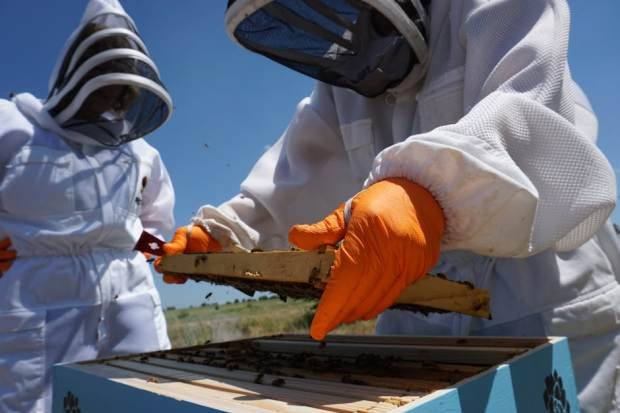
**Local raw honey**, by contrast, comes from bees foraging within roughly a 50-mile radius of your home. It’s unheated or minimally heated and only lightly filtered to remove debris — not pollen. That local pollen presence is the key ingredient for allergy desensitization.
Raw honey also contains beneficial enzymes, propolis, and prebiotics that heat-processed honey lacks — which supports gut health, linked increasingly to immune regulation.
Bottom line: the label matters less than knowing the source and that the honey is truly raw and local.
## Processing Methods That Destroy Allergy-Fighting Properties
Ultra-filtration is a honey allergy-relief killer. It uses fine filters and high heat to remove every pollen grain, creating a crystal-clear syrup. Beautiful? Yes. Effective for immune training? No.
Clear, shelf-stable honey often looks perfect but has lost its immunotherapeutic punch.
Similarly, pasteurization heats honey above 160°F to kill unwanted bacteria but also destroys enzymes and proteins in pollen critical for immune desensitization.
**Comb honey** is the gold standard. When you bite into honey straight from the wax comb, you consume untouched, raw honey with intact pollen and enzymes — exactly as bees crafted it.
For allergy relief, seek unpasteurized, unfiltered honey straight from the comb or minimally processed jars.
## Matching Your Allergy Triggers to Texas Floral Sources
Honey must match your allergy trigger to work.
You can’t ease Cedar Fever with honey made from Florida citrus blooms — the pollen doesn’t line up.
- For **Cedar Fever**, find honey harvested in Central Texas and the Hill Country between December and February.
- For **ragweed allergies**, look for honey from South Texas and the Gulf Coast harvested late summer into fall.
- Spring allergies to **oak and grass pollen** require honey sourced from East Texas piney woods or the Panhandle in March and April.
Beware “wildflower” blends. This label often means a mix of whatever pollen was around — clover, basswood, goldenrod. Unless you know the exact blend, it might not address your specific allergies.
Specificity always wins.
## Evaluating the Beekeeper: Questions to Ask Before Buying
Transparency separates credible beekeepers from snake oil salesmen.
Before buying, ask:
1. **"Did you filter your honey?"** Filtering likely removes pollen, defeating the purpose.
2. **"How far do your bees forage?"** Ideally within 50 miles of your home.
3. **"Is your honey truly raw?"** That means unheated or minimally heated.
Buying directly from local apiaries or farmers markets reduces the risk of your honey being blended or processed down to nothing.
Check local directories and beekeepers’ social media for hive locations and harvest dates. If they won’t share, move on.
## The Commercial Honey Alternative: When Store-Bought Might Be Acceptable
Commercial honey isn’t useless. It still has antibacterial properties, antioxidants, and provides a quick energy boost.
If you need a sweetener for tea or baking, or if local raw honey is unavailable, commercial honey is a fine choice.
Some also experience a psychological benefit—believing a natural remedy helps can itself reduce stress and inflammation.
That said, commercial honey’s allergy relief potential is minimal due to irrelevant pollen contents. Consider combining it with local pollen supplements if you must rely on commercial honey.
Price-wise, store-bought wins hands down. Local raw honey demands a premium. If budget is tight, start small with local honey and supplement with commercial for everyday use.
## Safety Considerations: Botulism Risks and Allergy Cross-Reactions
Safety first.
Raw honey is **never safe for children under 12 months** due to botulism spores. Their gut can’t handle *Clostridium botulinum*, which can cause fatal illness. For anyone older, the risk essentially disappears.
If you have a severe **bee venom allergy**, be cautious. Trace venom proteins can sometimes persist in honey, risking cross-reactions.
Honey’s sugar content is another consideration. Use it in moderation, especially if managing blood sugar, or pair with fiber-rich foods.
Store raw honey in a cool, dark place. Bubbles, mold, or sour smells signal spoilage—discard immediately. Fermented honey is dangerous.
## Cost, Availability, and Sourcing Strategies in Texas
Local raw honey costs significantly more than commercial brands because of labor, bee upkeep, and small-batch production.
Availability fluctuates with bee activity and seasons. Commercial honey fills the gaps when local honey is scarce.
Best hunting grounds include farmers markets, CSA boxes, and Texas-focused online directories. Big grocery chains often stock processed, blended brands.
Building a relationship with a local beekeeper pays dividends. Subscribe to their harvests for freshest honey and to support sustainable practices.
## Real-World Outcomes: Case Studies from Texas Allergy Sufferers
Many Texans swear by local raw honey after 6 months: fewer antihistamines, less morning sneezing, more manageable itchy eyes.
Not everyone finds relief. Missing the right pollen match, consuming processed honey, or quitting too soon are common reasons.
The placebo effect also deserves mention—believing you’re doing something good can ease symptoms through stress reduction.
Use honey as part of a larger allergy toolkit — air purifiers, nasal rinses, and doctor advice — not a standalone miracle.
## FAQ
### Does local raw honey actually cure allergies or just manage symptoms?
Honey won’t *cure* allergies but can *reduce* how fiercely your immune system reacts. Oral immunotherapy means training your body to tolerate allergens better, not erasing them entirely. You may still sneeze, but less often and with less severity.
### Can I use commercial honey if I can't find local raw honey in Texas?
Commercial honey lacks local pollen, so it offers limited allergy relief. Combining it with local pollen supplements can help. For general health and culinary use, commercial honey works fine when local options aren’t available.
### How long does it take to see results from local honey for Cedar Fever?
Expect 2-3 months of daily consumption before you notice changes. Starting before peak pollen season is crucial. Consistency matters more than daily quantity, as your immune system needs regular exposure to retrain itself.
## Conclusion
If allergy relief is your goal, focus on **origin**, **processing**, and **floral source matching.** Local raw honey, unpasteurized and minimally filtered from within 50 miles, beats commercial brands for targeted allergy desensitization.
Build a relationship with a Texas beekeeper, start early, and commit for months. Relief won’t come overnight, but it’s a natural path toward easing your body's pollen war.
Start today.
Related Searches in Texas
- buy raw honey near me
- where to buy raw honey in north texas
- unfiltered honey Arlington
- Anna TX beekeepers
- raw honey producers Canton Texas
- local raw honey delivery Weatherford TX
- honey farm Anna TX
- where to buy raw honey in Weatherford TX
- Texas cedar fever honey remedy
- local honey for Texas allergies
- local honey benefits for allergies mckinney tx
- where to buy local honey Anna TX
- local honey Anderson County TX
- Elgin Texas honey seller
- raw unfiltered honey Blue Ridge Texas
- warne bee farms honey melissa farmers market
- Texas wildflower honey benefits
- best apiaries selling raw honey Gainesville TX
- unfiltered honey vs supermarket honey in anna tx
- best farmers markets for honey in melissa tx
- where to buy local honey
- raw honey from North Texas
- local honey Bandera Texas
- Texas wildflower honey near me
- north texas pollen allergy treatment honey
- north texas wildflower honey benefits
- raw honey sellers Adkins Texas
- trusted honey sellers parker county tx
- raw honey Alvin Texas
- local raw honey delivery Fort Worth TX
- buy raw honey in Bandera
- raw honey Bartonville Texas
- Texas wildflower honey Anderson County
- raw honey sellers Baird Texas
- local beekeepers Adkins
- Bandera County beekeepers
- who sells raw honey Adkins TX
- local beekeepers Anna
- buy raw honey direct Adkins TX
- Weatherford TX beekeepers
- best apiaries Palestine Texas
- natural allergy relief Texas
- Texas honey allergy relief
- honey farms near Arlington Texas
- oral immunotherapy honey benefits
- local raw Texas honey for allergies
- Juniperus ashei pollen desensitization
- Texas honey producers near Baird
- buy raw honey Arlington TX
- local raw honey delivery Alvin TX
- how honey works for allergies
Trending Searches in Texas
- sustainable beekeeping trends in dallas area
- allergy relief local honey
- honey for cedar fever efficacy
- artisan honey Central Texas
- unfiltered honey Anna TX
- allergy season pollen forecast north texas
- Aledo beekeepers directory
- fresh raw honey Tarrant County
- genuine local honey Texas
- allergy relief honey Weatherford
- North Texas raw honey
- buy fresh honey Anna TX
- north texas honey allergy relief benefits
- local honey trends anna texas
- raw unfiltered honey East Texas
- Coplin Bee Farms Alvin
- 1201 Honey Cooke County
- Alvin TX honey farms
- best farmers markets dallas tx honey
- family run honey farms Texas
- unfiltered honey Fort Worth
- Weatherford local bee farms
- support local beekeepers
- Cross Timbers Honey contact
- melissa tx local honey festivals
- unfiltered honey Weatherford
- small batch honey Gainesville
- family owned bee farms Texas
- sustainable beekeeping in north texas
- honey desensitization method guide
- Cornerstone Honey Bees Bryan
- sustainable beekeeping north texas
- Fort Worth honey shops
Top Recommendations in Texas
- raw honey antioxidant properties texas
- honey beekeepers Baird
- neighborhood honey producers adkins
- when to use honey for allergies
- gut health honey prebiotics benefits
- best local honey family apiaries Texas
- homemade honey Bastrop
- best honey shops Arlington
- Gopher Knoll Farm honey
- wildflower honey Tarrant County
- start honey routine for allergies
- Anderson County pine forest honey
- honey tasting Anna TX
- north texas honey pollen preservation
- fresh honey Weatherford market
- artisan honey Baird
- hybrid allergy management strategy
- raw honey immune support north texas
- raw honey allergy relief north texas
- Hill Country honey for allergies
- anti-inflammatory honey benefits texas
- support local Anna businesses
- online honey ordering in denton texas
- north texas apiary liability insurance
- cold pressed honey Fort Worth
- honey for baking East Texas
- JC's Honey Bees classes
- Master Beekeeper Texas A&M
- fresh wildflower honey Aledo
- buy local honey Texas
- cold-pressed honey delivery
- honey producers North Texas
- farm to jar honey experience