Why Imported Honey Won’t Help Your North Texas Allergies
Supermarket honey—even if labeled 'raw'—is often imported and lacks the specific North Texas pollen needed to combat local allergies. Learn the science behind local honey, identify true regional allergens like cedar and oak, and discover how to find authentic local honey at farmers markets to effectively manage seasonal symptoms.
December 14, 2026 •
15 min read
## The Honey Truth: Why North Texans Need Local Pollen for Real Allergy Relief
For years, you've probably heard that a spoonful of honey can ease your spring allergies. Sounds simple enough: eat honey containing pollen, and your immune system learns to tolerate the allergens causing your sneezing and itchy eyes. But here's the catch—most honey lining supermarket shelves, even when labeled "raw" or "natural," often isn't locally sourced. Instead, it might come all the way from overseas, stripped of the very regional pollen profile that could train your immune system against North Texas allergens.
If you're serious about managing seasonal allergies the smart way, it all begins with understanding how local flora, your immune system, and authentic honey interconnect. This isn't just about sweetness—it's about getting the right smell, taste, and crucially, the right pollen signature. We'll break down why the pollen inside that jar matters, how commercial processing compromises it, and what you should look for at local farmers markets to get honey actually made by North Texas bees.
## Understanding the Link Between Honey and Allergy Relief
Why does honey figure into allergy relief at all? The principle is rooted in the concept of **allergy immune tolerance**. Imagine your immune system as an overzealous security guard, triggering alarms whenever certain pollen particles appear. By ingesting minuscule amounts of those specific pollens regularly—something like an oral immunotherapy—your immune system gradually learns to recognize these particles as harmless.
This process hinges on **pollen desensitization therapy**: consistent, controlled exposure that modulates immune activity and reduces symptoms like rhinitis (inflammation of the nose) and itchy conjunctivitis. But here’s the crucial detail—the pollen has to match. Immune tolerance isn’t about random pollen; it’s about *your* specific local allergens.
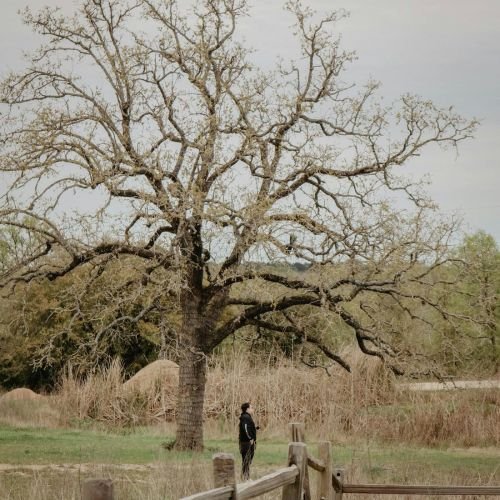
If your immune system flares up from North Texas oak or cedar pollen, eating honey from bees foraging on California clover will do very little. Your body is learning a lesson it doesn’t need to learn. Effective honey therapy comes down to the **regional pollen profile** being present in the honey. North Texas has its unique botanical fingerprint—cedar and oak dominate in spring, mesquite in late spring, ragweed in the fall—and the honey needs to carry these same pollens for allergy relief to work.
## Why Pollen Profiles Matter in Allergy Management
Think of allergenic pollen as a family of very distinct keys; your immune system locks onto the exact ones causing issues. Different plants produce pollen with unique proteins, so your body recognizes each allergen individually. This is why **pollen diversity impact** is critical—your honey should reflect the airborne allergens native to your neighborhood.
North Texas flora features a specific collection of pollen grains shaped by local trees and shrubs—the oak, cedar, mesquite, ragweed, and prickly pear—that create your region’s allergy calendar. Your immune system’s adaptation process needs repeated interactions with these exact particles.
Eating honey with pollen from across the globe—Australian eucalyptus, Argentine clover, or European flowers—sends your immune system mixed signals. It’s like training your dog to sit by showing a cat; the stimuli don’t align. The **immune system's adaptation to regional airborne allergens** is what makes localized honey uniquely therapeutic.
Moreover, the pollen must be preserved properly. If the honey’s pollen content is degraded or filtered out, that pathway to tolerance never forms. Therefore, a jar of imported honey—even if delicious and natural—rarely offers the **pollen content preservation** necessary to ease **seasonal allergy symptoms** specific to North Texas.
## The Truth About Supermarket Honey Labels: "Raw" and "Natural"
Those glittering "raw" and "natural" honey labels? They can be quite misleading. The U.S. Food and Drug Administration (FDA) doesn’t tightly regulate these labels on honey. This lack of oversight means a "raw" label doesn't guarantee honey that's local, minimally processed, or even pollen-rich.
Many supermarket honeys are blends of imported varieties—maybe from Argentina, China, or Turkey—heated just enough to remain fluid and filtration-clean but stripped of the pollen and enzymes that might offer allergy relief. The **ultra-filtration honey process**, common in commercial production, removes pollen, wax, and even beneficial enzymes like diastase and glucose oxidase, which are key in honey’s natural antimicrobial and immunomodulatory qualities.
Despite the "raw" tag, many supermarket honeys spend months in warehouses, exposed to heat and vibration that degrade sensitive pollen grains, reducing the **raw honey enzymatic activity** essential for therapeutic effects. What ends up on the shelf is often honey in name alone—missing the live pollen essential to your immune system’s training.
Even labels boasting regional names like "North Texas Wildflower Honey" may mask a mixture whose bees never set foot near your home. Without rigorous **local honey traceability**, the geographic origin is guesswork, and so is the presumed allergy benefit.
## How Imported Honey Is Processed and Where It Comes From
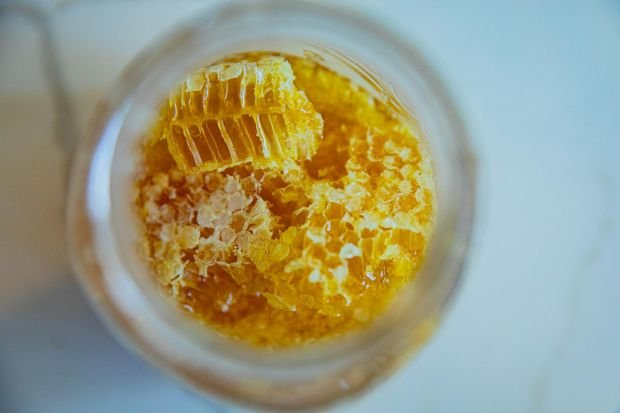
The supermarket honey you buy is usually far removed from North Texas meadows. Much comes from large-scale production in countries like Argentina, Australia, China, Mexico, and Turkey, where beekeepers harvest vast volumes from monoculture crops or expansive wildflower fields vastly different from North Texas ecosystems.
These imports tend to undergo aggressive processing. **Ultra-filtration** strips out pollen alongside impurities, and pasteurization extends shelf life at the cost of denaturing enzymes and tampering with pollen structure. Even when producers claim "cold extraction," these large shipments often endure heating and prolonged storage, which weaken the honey’s pollen content dramatically.
Pollen grains are fragile—they break down under heat, mechanical stress, and extended transit. By the time a jar reaches a North Texas store, those vital allergens may be little more than dust. The honey might still be sweet and thick but lacks the biological complexity necessary for allergy desensitization.
Moreover, blending is a common practice in commercial honey. Different regional honeys mix to deliver uniform taste and color year-round, diluting or outright removing the specific allergenic pollen patterns North Texans need. A jar labeled as “wildflower” honey but sourced from Australia and Argentina won’t contain the crucial **cedar and oak pollen** that fuels local seasonal allergies.
## North Texas Flora and Its Unique Allergy-Inducing Pollens
To harness local honey’s benefits, you need a roadmap to North Texas’s allergy-causing plants. While the flora is diverse, a handful dominate the region’s spring and fall allergenic profile:
- **Oak (Quercus spp.):** Oak forests blanket Texas and release massive pollen clouds in spring, triggering severe allergic reactions in many.
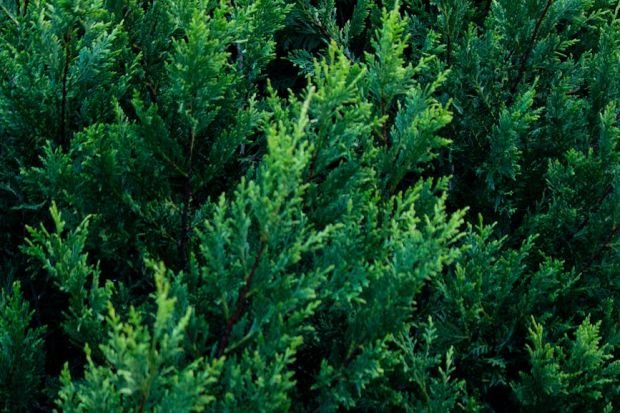
- **Cedar (Eastern Red Cedar, Juniperus virginiana):** Cedar pollen peaks late winter to early spring, acting as a primary allergen in North Texas.
- **Ragweed (Ambrosia spp.):** The notorious late-season allergen flooding the air from late summer through fall.
- **Mesquite (Prosopis spp.):** Dense in Texas brushlands, mesquite blooms produce ample pollen coinciding with late spring.
- **Other contributors:** Prickly pear cactus, blueberries, and native grasses also add to pollen counts across seasons.
The **North Texas allergy calendar** tracks these patterns, from cedar and oak pollen surging in early spring to ragweed’s late-summer persistence. Local honeys reflect this signature. Bees harvesting near Dallas, Fort Worth, or Waco shape their honey with these exact pollen grains. Every jar captures a snapshot of the region’s cycles—the pollen cocktail your immune system needs to learn from.
If your jar contains authentic **North Texas wildflower honey**, you’re tasting a blend of precisely these allergens. Embedded in every drop lie the proteins your immune cells encounter in spring air. That close match is what transforms honey from a sweet treat into a potential ally against seasonal allergies.
## Scientific Insights: Studies on Local Honey's Allergy Benefits
So, what does research say about honey and allergies? The scientific community offers encouraging, if cautious, support. Several studies have identified measurable reductions in allergic symptoms when patients consumed local honey daily for months, compared to those taking placebos or imported honey without local pollen.
A significant publication in the *Journal of Allergy and Clinical Immunology* emphasizes that honey’s benefit lies in ingesting trace pollen amounts, acting as mild allergens to help the body develop immunotolerance. However, the effect depends heavily on matching the pollen profile in honey with the patient's environment.
Research clearly distinguishes local from non-local honey in therapeutic impact. Imported honeys, stripped of targeted pollen, provide no relief. The **pollen diversity impact** matters—a broad spectrum of local allergens strengthens the immune system’s ability to cope with multiple triggers, and **raw honey enzymatic activity** may support anti-inflammatory effects, but the pollen match remains paramount.
It’s important to recognize honey as a complementary tool, not a substitute for medical treatment in severe allergy cases. Yet, when sourced authentically, local honey holds promise as a natural, supportive approach to **seasonal allergy symptom** management.
## How to Identify Truly Local Honey in North Texas
Purchasing authentic local honey requires more than trusting a label—it demands curiosity and scrutiny.
Start by checking for explicit source information. Look for mentions of Texas counties, specific towns, or recognizable regions instead of vague claims like “wildflower honey” or “natural honey” with no geographic connection. Those latter labels often indicate blended, mass-market products.
Seek brands or vendors committed to **honey label transparency**—those who proudly share hive locations and harvest details. If a seller can’t specify whether their bees forage within a 3-to-5-mile radius, that’s a red flag. True **local honey traceability** means you know exactly where the nectar came from.
Have a conversation. Ask beekeepers what blossoms their bees frequent during the current season. Knowledgeable ones will speak confidently about North Texas’s changing blooms—the cedar in winter, oak in spring, mesquite in late spring, and so on. This insight signals understanding of the local pollen ecology and the **North Texas allergy calendar**.
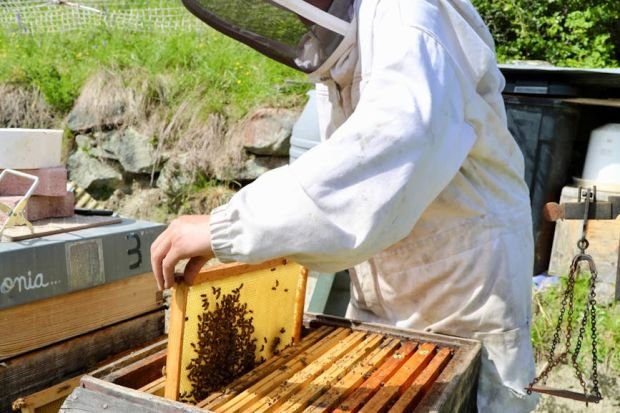
Local farmers markets are gold mines here. Vendors often are beekeepers themselves, or closely connected to local apiaries. They can show fresh jars, describe their processing methods, and guarantee no blending with imported honey. It’s authenticity you just can’t get from sealed grocery store shelves.
## Farmers Markets vs. Grocery Stores: A Comparison for North Texas Buyers
Farmers markets and grocery stores present two very different shopping experiences, especially for honey seekers.
Farmers market honey changes with the seasons, reflecting the current local forage. Buy in May, and you taste springtime cedar and oak pollen. Buy in July, and it’s likely flavored by mesquite or summer grasses. This seasonality is the hallmark of authenticity and the cornerstone of effective allergy support.
Grocery stores, by contrast, stock honey year-round. That uniform availability usually means composite blends from multiple distant sources, obscuring or eliminating local pollen signatures. The convenience comes at the cost of freshness and biological relevance.
Supporting local beekeepers via farmers markets directly fosters healthier bee populations. These small-scale apiaries maintain diverse flora, promote pollinator-friendly practices, and enhance biodiversity in North Texas. Your purchase strengthens the local ecosystem, improves quality of life, and guarantees a product tailored to your needs.
On the other hand, the **commercial honey supply chain** offers little assurance. Imported, blended, and filtered honeys flood supermarket shelves, providing no transparent access to the **regional pollen profile** essential for allergy management. For someone battling North Texas allergens, that makes grocery store honey a risky, often ineffective choice.
## Reading the Fine Print: What to Ask When Buying Local Honey
Armed with knowledge, approach your honey purchase like an investigator:
- **Where exactly are your hives located?** Your seller should pinpoint a neighborhood, county, or at least a recognizable North Texas region.
- **How far do your bees typically forage?** Answers under 3 to 5 miles mean you’re getting honey directly linked to your immediate environment.
- **What's the main seasonal forage?** Can the beekeeper name specific trees or flowers? Cedar, oak, mesquite? This detail reveals the pollen mainstays in your honey.
- **Is your honey wildflower or monofloral?** Monofloral honeys come from one dominant flower source, like "Texas Clover" or "Oak Blossom," ideal if you target a specific allergen. Wildflower honey, rich in diverse pollen, suits those seeking broad-spectrum tolerance building.
- **How is your honey processed?** Prefer those using **cold extraction honey** techniques and avoiding ultra-filtration or excessive heating—to preserve **raw honey enzymatic activity** and intact pollen grains.
These questions distinguish genuine local honey from mere marketing labels.
## Storing and Using Local Honey to Maximize Allergy Benefit
Once in hand, treat your honey like the delicate medicine it is. Light and heat degrade pollen and enzymes rapidly—store your jar in a cool, dark pantry away from sunlight and high temperature.
Avoid refrigeration; while it slows honey's natural fermentation and crystallization, cold hastens thickening, making it harder to use. Remember, crystallization isn’t spoilage but a natural glucose rearrangement; gentle warming in a water bath below 110°F will liquefy it without sacrificing potency.
For allergy benefits, experts commonly recommend one tablespoon daily. Take it on toast in the morning, stir it into warm—not boiling—tea, or blend into smoothies. Consistency matters—effects typically appear after weeks or months, as your body patiently builds **pollen desensitization**.
Using honey as a sweetener, throat-soothing agent, or syrup base maximizes daily pollen exposure. This steady introduction trains your immune system to coexist peacefully with North Texas's airborne allergens.
## Additional Natural Strategies to Support Allergy Relief in North Texas
Local honey isn’t a standalone fix but part of a broader allergy relief toolkit.
Enhance your exposure through native plant gardening at home. Surround yourself with North Texas flora to gradually increase, in a controlled way, the pollen your immune system encounters—a natural extension of your honey therapy.
Inside, allergy-proof your environment: use HEPA air filters, keep windows closed on high pollen days, and shower before bed to wash off outdoor allergens. These measures reduce overall exposure, letting your honey-induced immune training work more effectively.
Lastly, recognize when to seek medical help. Severe symptoms disrupting life or sleep may require antihistamines or professional immunotherapy. Honey supports but doesn’t replace expert care. Always discuss natural remedies with your doctor, especially if you have conditions like diabetes.
## Common Misconceptions About Honey and Allergy Treatment
Clear up common misunderstandings:
- Not all honey is created equal. Imported or ultra-filtered honey lacks the vital **regional pollen profile** needed for allergy relief.
- Honey doesn’t cure all allergies. It’s specific to pollen-induced seasonal allergies, not food or mold allergies.
- Allergies to bees or bee venom are separate from pollen desensitization. While most can safely consume honey, bee product allergies warrant caution and medical consultation.
- Honey is not a magic bullet. Patience and consistency are crucial since allergy tolerance builds slowly over time.
Knowing these truths helps set realistic expectations and avoid frustration.
## Encouraging Community Support for Local Beekeepers
Local apiaries do more than bottle honey—they sustain North Texas's ecology. Bees are vital pollinators, underpinning food crops and native plants alike.
Buying local honey means investing in this ecosystem. It ensures beekeepers can maintain healthy colonies and protect biodiversity—not just in hives, but across landscapes. Your support enables sustainable beekeeping practices, from planting pollinator gardens to participation in community awareness.
Farmers markets and cooperatives grow stronger as demand for local honey increases, benefiting beekeepers and buyers alike. Getting involved in **bee-friendly initiatives**—whether planting native blooms or attending apiary open houses—deepens your connection to the land and its buzzers.
## Final Thoughts: Choosing the Right Honey for Your Health Needs
In short, that jar of honey on your supermarket shelf is unlikely to be the allergy ally you desire. The key to meaningful relief lies in local pollen content—something only authentic **North Texas wildflower honey** or well-sourced monofloral honeys can deliver.
Prioritize farmers market purchases. Seek vendors who can confirm hive locations and explain their honey’s seasonal pollen. Be willing to look beyond shiny labels and mass-produced jars. Equip yourself to be an informed honey consumer in North Texas.
Doing so not only boosts your health during allergy season but supports the ecosystems and beekeepers that make local honey possible. Choose honey rooted in the soil, trees, and flowers of our region. Choose local. Choose raw. Choose honey that truly belongs to North Texas.
Related Searches in Texas
- visit apiaries Collin County
- Anna TX beekeepers
- buy raw honey direct Baird TX
- buy raw honey Brazos County
- buy raw honey direct Adkins TX
- raw honey for ragweed allergies
- Texas wildflower honey benefits
- buy raw honey Arlington TX
- local beekeepers Arlington
- buy raw honey in Bandera
- unfiltered honey Arlington
- buy honey from farm Anna
- buy local honey Collin County
- how honey works for allergies
- honey for cedar fever relief
- warne bee farms honey melissa farmers market
- raw honey Bastrop County
- local honey online order dallas texas
- local beekeepers Adkins
- Cross Timbers Honey Parker County
- local raw honey delivery Bryan TX
- Warne Bee Farm Anna
- Gopher Knoll Farm honey
- where to buy raw honey in Weatherford TX
- north texas raw honey buyer guide
- local honey benefits for allergies mckinney tx
- buy authentic honey Parker County
- authentic honey vendors waco tx
- buy Texas honey directory
- where to buy raw honey in Alamo Heights TX
- Edelweiss Apiary honey
- oral immunotherapy honey benefits
- where to buy raw honey in Aledo TX
- local raw Texas honey for allergies
- buy raw honey near me
- Anderson County beekeepers
- buy raw honey in Brazoria County
- honey farms near Arlington Texas
- best north texas honey farmers markets
- visit apiaries Tarrant County
- Fort Worth TX beekeepers
- raw honey Bartonville Texas
- how does local honey help allergies texas
- Texas cedar pollen allergy
- north texas pollen allergy treatment honey
- Real Texas Honey East Texas
- where to buy local honey in Alvin TX
- best local honey Austin
- best honey for ragweed allergies
- what makes melissa farmers market honey special
- where to buy raw honey Anderson County TX
Trending Searches in Texas
- Texas seasonal allergy pollen profiles
- Dovetail Creek honey Weatherford
- authentic raw honey Anderson County
- Texas wildflower honey
- local honey trends in collinsville texas
- certified Real Texas Honey
- Maxwell Family Bees Anderson County
- melissa tx local honey festivals
- unfiltered honey McKinney Texas
- north texas allergy pollen forecast
- Alvin TX honey farms
- local honey trends anna texas
- best honey for Cedar Fever relief
- sustainable beekeeping north texas
- unfiltered honey North Texas
- farm-to-table honey fort worth tx
- honey for allergies Arlington
- honey for cedar pollen sensitivity
- honey therapy for allergies
- south texas honey sellers
- Coplin Bee Farms Alvin
- North Texas local honey producers
- North Texas raw honey
- support local beekeepers Arlington
- support local beekeepers
- 1201 Honey Cooke County
- texas allergy season 2024
- allergy relief cost comparison
- natural pollen desensitization
- honey for allergies Bryan TX
- best raw honey Aledo TX
- north texas spring allergy conditions
- local honey vs store bought honey
Top Recommendations in Texas
- honey producers Bastrop County
- infant botulism honey safety warning
- honeycomb gifts Anderson County
- safety of honey for adults
- gut health honey prebiotics benefits
- buy Texas honey online
- Texas Hill Country honey sourcing
- when to use honey for allergies
- honey farm directory Anna
- how to spot real north texas honey
- Texas oak pollen allergy treatment
- best honey stores Anna
- wildflower honey Tarrant County
- incorporating honey into allergy diet
- seasonal allergy management Texas
- honey vs antihistamines
- cold pressed honey Fort Worth
- buy Texas honey directory
- fresh honey delivery Alamo Heights
- effects of pasteurization on honey enzymes texas
- fresh honey delivery Bryan
- Aledo Apiary location
- homemade honey Bastrop
- local apiary adkins tx
- cold-pressed honey delivery
- fresh raw honey bexar county
- north texas honey pollen preservation
- best place to buy honey Alvin
- native plants honey flavor
- buy local honey adkins
- Texas ragweed allergy remedies
- north texas wildflower honey health
- local honey producers Bryan