The Secret Ingredient in Grandma’s Allergy Remedy: True North Texas Honey
From the kitchen of a North Texas grandmother to the science of immune desensitization, explore why local honey is the ultimate natural remedy for spring allergies.
December 29, 2025 •
10 min read
The March breeze in North Texas wasn’t just any breeze. It carried the subtle weight of a yearly rite—the invisible, relentless cloud of pollen that turned spring into a season of sniffles, sneezes, and itchy eyes. In one modest kitchen nestled among scrub oaks and sprawling plains lived Elara. Folks called her Gramma, a resolute woman with a small, amber jar perched on a high shelf, gathering dust and stories alike. That little jar held more than honey—it held a secret to surviving spring allergies in North Texas, passed down through the generations.
If you peeked into Gramma’s kitchen when redbuds blushed outside or bluebonnets spread like an enchanting carpet, you'd catch her ritual. She’d lower the jar with a practiced hand, swipe a spoonful of golden nectar, and spread it over toast or dip it slowly onto a cracker. “Eat your honey, Leo,” she’d say with a knowing smile to her skeptical grandson, “The flowers are talking to your body again.” And though Leo doubted herbal old wives’ tales and modern science alike, he’d eat it anyway—because Gramma’s honey seemed to do what nothing else did: lift the fog of allergies just a little each morning.
---
### More Than Sugar: A Grandmother’s Legacy Rooted in Nature
Gramma’s remedy wasn’t just sweet tradition; it was nature’s handshake across time. She learned from women who read the world through blossoms and bees rather than pill bottles and prescriptions. This knowledge wasn’t found in glossy medical journals but whispered in gardens and kitchens, where remedies grew naturally from the earth and the tireless work of pollinators.
Modern medicine treats allergies like an enemy to bomb with sprays and pills. But Gramma believed in a gentler rhythm—one where consuming a tiny dose of the very pollen that flared allergic reactions could train the body to stop sounding alarms. The concept fits a basic immune principle called desensitization, where gradual exposure teaches your system not to panic. It’s like convincing an unwelcome guest that they’re allowed to stay, rather than brandishing a broom at every creak and shadow.
This takes patience. It asks you to slow down, to share honeyed breakfasts as spring passes, to trust that the bees—who’ve danced across these fields for centuries—carry a cure in their pollen-laden cargo.
---
### The Secret of North Texas Flowers: The Landscape Behind the Honey
To appreciate why Gramma’s honey worked, imagine the vast wildflower theater of North Texas. This isn’t a place dominated by a single crop or garden variety flower—it's a living mosaic of native species blooming in an intricate sequence.
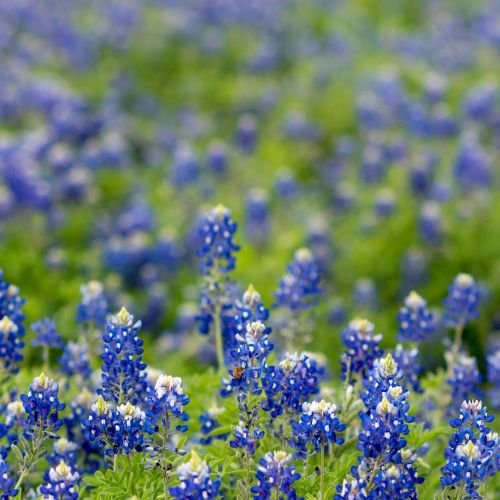
Start in March: vast stretches of hills burst into blue with Texas bluebonnets, their nectar fueling swarms of honeybees. These bees are more than sugar collectors; they ferry tiny pollen grains of that specific flower, along with others like Indian paintbrush’s fiery orange and the delicate pink-redbuds lining country roads.
Come late spring, mesquite trees bloom—their sweet, earthy nectar adding depth and robustness to the honey’s character. Unlike industrial honey that often tastes one-note, North Texas honey is an evolving symphony of nectar from wildflowers and trees, each plant contributing a unique flavor and, crucially, its own pollen profile.
Here’s why that matters: the pollen embedded in this honey carries the specific allergens native to North Texas, the very ones your body reacts to when spring hits. By eating this honey, you’re delivering a concentrated, digestible trace of local pollen right to your immune system.
---
### Eating Local Pollen: A Gentle Trainer for the Immune System
How does eating honey help allergies? It’s all about teaching your immune system to stand down. When your body encounters allergens, it can overreact—swelling, sneezing, itching—as if facing a real threat. But your immune system doesn’t always get it right.
Taking small doses of local pollen through natural honey nudges your system, offering a little “Hey, it’s okay!” signal. This slow introduction helps your body adjust, building tolerance bit by bit. It’s akin to easing a shy child into a crowded room so they won’t panic.
Raw, unfiltered honey is essential here because it still holds the pollen grains and natural enzymes bees add, like diastase and glucose oxidase. These components remain intact only if the honey hasn’t been heavily processed or filtered. Unlike the slick, clear honey jars in supermarkets—which strip out pollen during ultra-filtration—raw honey brings the diverse flora of North Texas straight to your teaspoon.
---
### The Science Underpinning Grandmother’s Sweet Cure
You might think this sounds like folklore, but biology backs it up. The pollen grains in raw honey carry proteins and antigens—molecules that give your immune system something to “see.” By feeding these to your body in safe amounts during allergy season, you help calibrate its response.
Scientific studies reflect this wisdom. For instance, research published in the *Journal of Allergy and Clinical Immunology* found that people consuming local honey reported fewer allergy symptoms compared to those given placebo honey. This difference hinges on the *local* component; honey sourced from the same area contains the relevant pollen to trigger beneficial immune adaptation.
Processing destroys these benefits. Heat kills enzymes, and filtration removes crucial pollen. That supermarket jar labeled “Honey” might be free of impurities partly because it’s been bleached of all pollen—losing its therapeutic edge in the process.
---
### Why Store-Bought Honey Won't Cut It
Why can’t you just grab any honey off a store shelf? Because most commercial honey tells a story of blending and processing that strips away its roots.
Mass-produced honey often mixes nectar from multiple regions—even importing from across the world—resulting in a generic syrup with little connection to any one place. To extend shelf life and improve clarity, producers apply ultra-filtration and heat pasteurization, both of which remove the pollen grains and natural enzymes critical for allergy relief.
Buying mass-market honey is like trying to recreate a hometown dish with canned ingredients—you miss the authenticity, texture, and soul. That industrial honey has lost both its local pollen fingerprint and living compounds. It’s a sweetener without the story, the healing power, or the protective history carried by local hives.
Gramma never made that mistake. She sought out honey as rough-edged as the land itself, cloudy with air bubbles and slight crystallization—the marks of true, unfiltered honey harvested locally.
---
### Farmers Markets: A Revival of Community and Authenticity
In today’s world, the hunt for honey like Gramma’s leads away from supermarket aisles and into the vibrant swirl of farmers markets—the beating heart of North Texas’s local food culture.
These markets are more than just places to shop; they’re living, breathing hubs of community. Here, beekeepers display their amber jars, often still capped with wax or cloth, ready to share stories as sweet as their honey.
Buying directly from these local guardians means you know exactly where the honey’s from. You can trace it back to bluebonnet-lined pastures or mesquite groves in neighboring counties. These connections offer peace of mind, transparency, and a chance to support local families safeguarding bee populations and ecosystems.
A conversation at the market might reveal the difference between monofloral honey—single bloom varieties like mesquite—and complex wildflower blends, each holding a different pollen mosaic. Beekeepers here don’t just sell honey; they educate, protect, and nurture.
---
### Navigating Labels: Spotting Genuine North Texas Honey
It can be tricky to spot real local honey, even at a farmers market. Marketing terms sometimes blur or hide the truth. To truly find what Gramma would recognize, look for:
- **Raw**: Unpasteurized, meaning no heat that would destroy enzymes and pollen.
- **Unfiltered**: Ensures that the pollen grains remain intact.
- **Harvest location**: Look for specific references, like “Harvested in Collin County” or “Texas Hill Country.”
- **Harvest date**: Freshness matters, signaling a recent extraction preserving bioactivity.
A jar that’s perfectly clear and syrupy is often filtered and processed. True honey usually shows some cloudiness, air bubbles, or even crystallization—a sign that real sugars have aligned naturally rather than been stripped away.
Be wary of vague claims like “natural” or “pure” without specifying origin. The jewel here is local pollen diversity—missing in mass-produced blends.
---
### Bringing Grandma’s Ritual to Life Today
So, how do you fold this timeless practice into a hectic modern calendar? Start small. Just a teaspoon of local honey daily is a gentle introduction for your immune system. The key isn’t a quick fix; it’s slow, steady exposure.
Taking it with your breakfast—mixed in tea, stirred into oatmeal, or a simple sugared toast—makes it effortless. Some even favor a spoonful before heading into pollen-heavy mornings for an extra buffer.
Begin a couple of weeks before allergy symptoms usually appear, and keep it going steadily through spring’s crescendo. This habitual sweetness is less a remedy and more a season-long conversation between your body and the environment.
---
### Beyond Allergy Relief: Honey’s Broader Gifts
Raw North Texas honey doesn’t just soothe spring sniffles—it packs antioxidant punch, fighting oxidative stress caused by sunshine, dust, and daily strain.
It has natural antimicrobial powers, thanks to compounds like hydrogen peroxide preserved within its viscous depths, which can help support immune defenses beyond allergy season.
And the trace minerals and enzymes unique to local nectar sources nourish your gut, reinforcing the complex interplay between digestion and immunity. It’s a full-body tonic, an edible snapshot of the ecosystem working in harmony.
---
### Supporting Bees: Guardians of the Region’s Future
Each jar purchased is a direct investment in *North Texas bee populations*. Bees face global threats—habitat loss, pesticides, climate shifts—but your support of local beekeepers offers hope and sustenance, encouraging healthy hives amidst these challenges.
Healthy bees mean thriving wildflowers, more pollination, and a richer, more resilient landscape. Without them, bluebonnets would wane, mesquites would falter, and with them, the local ecosystem's balance.
Buying local honey is an act of environmental stewardship, a stand for sustainability woven tightly with community and heritage.
---
### A Sweet Invitation: Reviving Traditions for Tomorrow
Gramma’s honey isn’t just nostalgia—it’s a roadmap for living well in sync with the land. This season, seek out real, raw, local honey—not just for relief, but as a way to connect with the land and community that nourish us.
Visit farmers markets, start conversations with beekeepers, share jars with family, and reclaim a tradition that predates anti-histamines and quick fixes. Begin a “honey jar challenge” with friends. Celebrate local flavors, pass down stories about the wildflowers outside your window, and make each spoonful a small act of gratitude and resilience.
This is how we heal—not just our allergies, but our bond with the world around us.
---
### The Legacy in Every Jar: Sweetness That Transcends Time
As the North Texas sun dips below distant hills, casting apricot streaks across a prairie sky, imagine that golden jar on Gramma’s shelf, now on yours. In every spoonful lies a story—of bees, blossoms, families, and healing.
This isn’t just honey. It’s a living connection between people and place, an ancient form of immunotherapy carried in amber liquid. The pollen grains, enzymes, and resilient sweetness all signal one thing: nature’s wisdom endures.
When spring stirs your sniffles again, remember Gramma’s jar. Remember the bluebonnets swaying, the mesquite’s shade, the buzzing bees. Reach for that familiar, golden spoonful and revive a tradition that’s stood the test of time. The cure is close—literally in your backyard—waiting to be tasted, shared, and cherished.
The legacy remains, sweet and abundant, in every jar of North Texas honey.
Related Searches in Texas
- local honey for Texas allergies
- how to use honey for pollen allergies
- Cedar-Fever relief Texas honey
- Texas honey producers near Anna
- oral immunotherapy honey benefits
- local raw honey delivery Alamo Heights TX
- where to buy local honey
- Hatch Honey Company Gainesville
- Bartonville TX beekeepers
- where to buy local honey in melissa texas
- raw honey Central Texas
- who sells raw honey Baird TX
- north texas wildflower honey sellers
- buy local honey Palestine
- local raw honey delivery Anna TX
- Adkins TX honey farm
- natural allergy relief Texas
- raw honey Anna Texas
- buy raw honey in Brazoria County
- honey for cedar fever relief
- how to source authentic local honey
- best north texas honey farmers markets
- crooked creek honey farm anna tx
- Anderson County Texas raw honey
- where to buy raw honey Anderson County TX
- warne bee farms honey melissa farmers market
- north texas honey for spring allergies
- best farmers markets honey dallas tx
- difference between raw and processed honey
- local beekeepers Anna
- raw honey producers Canton Texas
- north texas raw honey buyer guide
- where to buy raw honey in Anna TX
- Texas wildflower honey near me
- raw honey vendors at melissa farmers market
- local honey benefits in denton tx
- where to buy raw honey in Aledo TX
- north texas wildflower honey benefits
- Texas honey producers near Adkins
- buy local honey Parker County
- McDade Texas honey farm
- local honey Anderson County TX
- local raw honey delivery Alvin TX
- Texas wildflower honey Anderson County
- where to buy raw honey in north texas
- best local honey Austin
- local raw Texas honey for allergies
- visit apiaries Tarrant County
- raw honey from North Texas
- Juniperus ashei pollen desensitization
- raw honey Alamo Heights Texas
Trending Searches in Texas
- immune system desensitization honey
- Cross Timbers Honey contact
- sustainable beekeeping trends in dallas area
- local honey vs store bought honey
- seasonal pollen allergy patterns texas
- south texas honey sellers
- glucose oxidase enzymes in honey
- honey for cedar pollen sensitivity
- natural allergy relief Texas diet
- authentic Texas honey farms Canton
- Aledo beekeepers directory
- buy fresh honey Anna TX
- Texas Bee Ranch certified
- north texas honey allergy relief benefits
- North Texas local honey producers
- unfiltered honey Weatherford
- South Texas honey producers
- Heavenly Harvest Apiary Palestine
- north texas native wildflowers bloom times
- Texas wildflower honey
- north texas spring allergy conditions
- honey producers Bandera
- Anderson County farmers market honey
- East Texas wildflower honey
- allergy relief natural remedies Texas
- Buy Texas Honey directory
- texas cottage food law honey sellers
- local honey Cooke County
- local honey demand increase fort worth
- unfiltered honey Fort Worth
- best raw honey for allergies Texas
- Cedar fever treatment natural options
- north texas allergy relief honey
Top Recommendations in Texas
- gut health honey prebiotics benefits
- homemade honey Bastrop
- unfiltered honey Palestine
- best honey stores Anna
- immune system support with local honey texas
- natural allergy relief honey fort worth
- buy Texas honey online
- Texas oak pollen allergy treatment
- Warrior Bee Apiary contact
- Texas raw honey suppliers
- cold pressed honey Fort Worth
- Texas honey directory
- north texas apiary liability insurance
- fresh honey Bandera
- honey comb Alamo Heights
- fresh honey delivery Alamo Heights
- support local beekeepers Bryan
- anti-inflammatory honey benefits texas
- Gopher Knoll Farm honey
- honey farm directory Anna
- Texas ragweed allergy remedies
- support local beekeepers Texas
- online honey ordering in denton texas
- farm to jar honey experience
- hybrid allergy management strategy
- sustainable beekeeping practices in north texas
- raw honey delivery Arlington
- infant botulism honey warning
- honey for allergy relief Texas
- JC's Honey Bees classes
- Parker County honey producers
- natural sweetener Bandera
- sustainable beekeeping Texas